




Jammu-Kashmir Police’s Counter-Intelligence Wing (CIK) has successfully decoded a major cyber-terror conspiracy involving multiple modules engaged in digital radicalization and terror recruitment. In a series of covert operations, the CIK uncovered five interconnected modules operating from Pakistan, linked to terrorist outfits such as Jaish-e-Mohammed, Lashkar-e-Taiba, and Hizbul Mujahideen, employing encrypted communication platforms to sustain their activities.
Terrorist handlers, including a Pakistani strategist named Abdullah Gazi, known by his aliases Shaukat Ali and Babar, have been using secure messaging apps like Signal, Telegram, WhatsApp, Wire, and Session to coordinate. These platforms, protected by end-to-end encryption, pose major challenges to interception by security agencies. Gazi, embedded in Rawalpindi, managed a fully operational digital recruitment cell that targeted vulnerable Kashmiri youth for radicalization, weapon procurement, and operational planning. His operations were directly linked to Pakistan’s Inter-Services Intelligence (ISI), cementing the state-backed nature of these terror efforts.
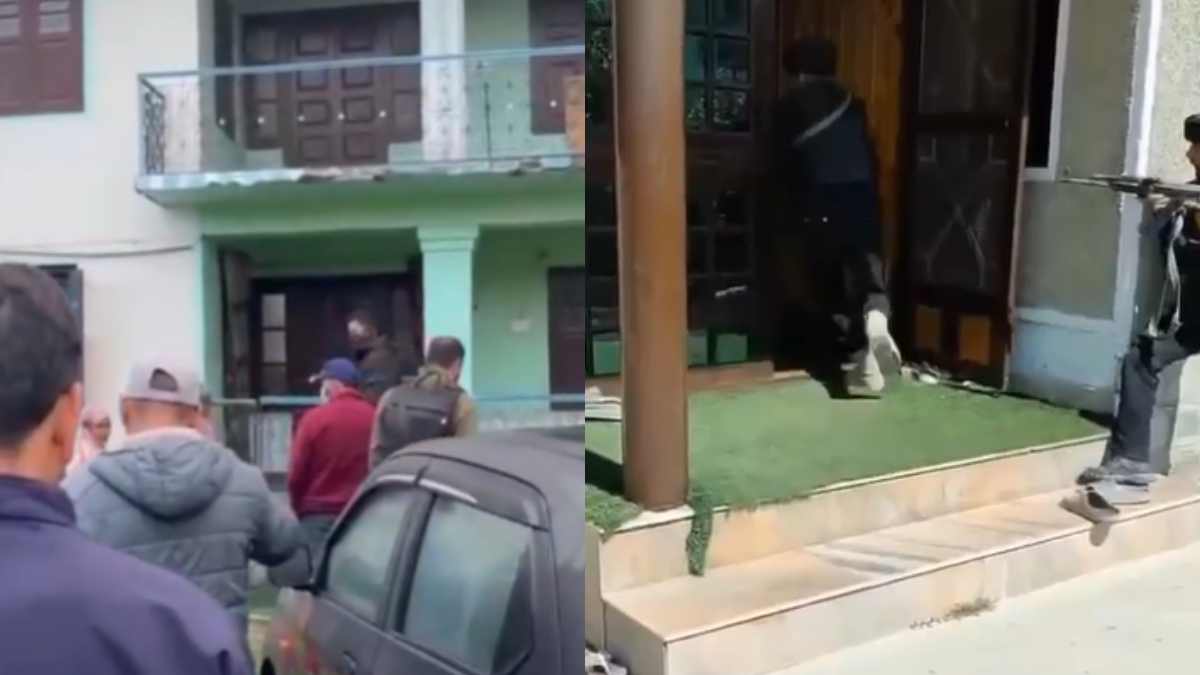
In a recent successful crackdown, the CIK, collaborating with Indian intelligence agencies, targeted Gazi’s cyber module by conducting raids across ten locations in Srinagar, Budgam, Pulwama, and Ganderbal districts. Utilizing advanced digital surveillance techniques, such as deep packet inspection, protocol bypass, and geo-tracking, the operation aimed to dismantle this intricate cyber radicalization network. This marks the fifth major terrorist module dismantled by the CIK in a series of targeted actions against terror-linked cyber activities.
Earlier operations had exposed other modules, including the Lashkar-e-Taiba funding operation run by handlers like Sumama alias Babar alias Ilyas, who recruited youth to smuggle money from Gulf countries for terror activities. The Hizbul Mujahideen extortion module was uncovered, operated by Jambaz Gazi alias Gazi Baba, who used Kashmiri youth for enforcing extortion across the region. Additionally, the CIK dismantled an Ansar Gajwat-ul-Hind module led by ‘Baba Hamas’ alias Hanjullah, tasked with recruiting local youth as couriers for transferring weapons and ammunition.
Furthermore, a recruitment unit believed to be part of Lashkar’s Tahrik Labbaik or Muslim (TLM) was exposed, with handler ‘@Baba Hamas’ motivating Kashmiris to join terrorist outfit’s. These operations highlight the ongoing efforts by security agencies to counter the digital dimensions of terror, effectively disrupting the cyber-attack strategies that threaten national security and peace.
ALSO READ: SC Stays Bombay HC Judgement On 2006 Mumbai Blast