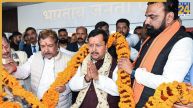

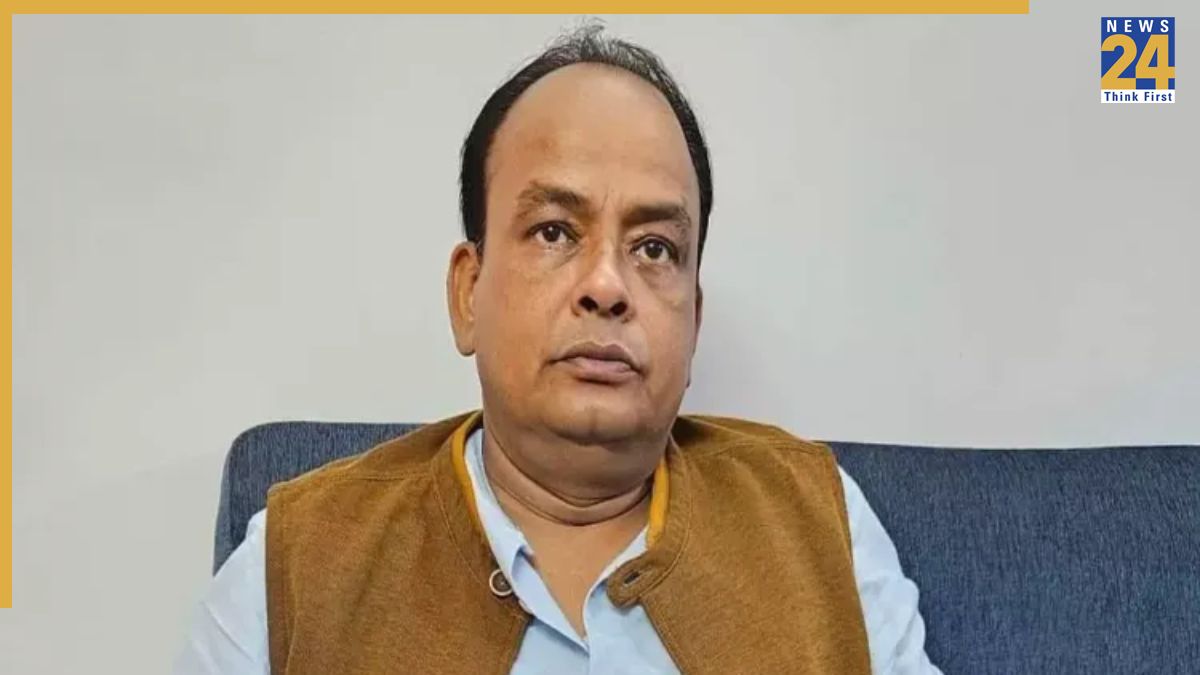


Jharkhand Health Minister Dr. Irfan Ansari, who is also a qualified allopathic physician, has announced a groundbreaking plan to personally treat patients in outpatient departments (OPDs) at district ‘Sadar’ hospitals across the state. Rather than just working from a political office, he says he wants to experience firsthand what patients go through. He plans to make weekly visits to every district hospital, taking on the role of a doctor during OPD hours and using these sessions to connect with patients directly.
During his surprise inspection at the Rajendra Institute of Medical Sciences (RIMS), Ansari not only treated patients but also closely evaluated key hospital services, from diagnostics and pharmacy to sanitation and staff duty hours. He highlighted serious concerns like medicine stock-outs, staff shortages and absence of accountability. With these visits, he intends to redesign how OPD rosters work, monitor doctor attendance and improve overall patient care.
Push for transparency and better healthcare
Dr. Ansari’s initiative is not just symbolic, it’s part of a broader effort to make Jharkhand’s public healthcare system more transparent and patient-centered. By being on the ground, he aims to bring accountability to hospital operations. He has said he will assess everything: from how doctors and nurses work, to how smoothly support services run.
His vision is to build a patient-centric system where patients don’t just receive treatment, but are heard and understood. He wants to fix structural issues like staff absenteeism and poor infrastructure by seeing them up close.
Health experts and public observers are calling Ansari’s move ‘historic’, for the first time in the country, a state health minister is directly combining his political role with hands-on medical work. If this effort succeeds, it could become a model for other states grappling with weak healthcare delivery and make government hospitals more trustworthy in the eyes of the public.