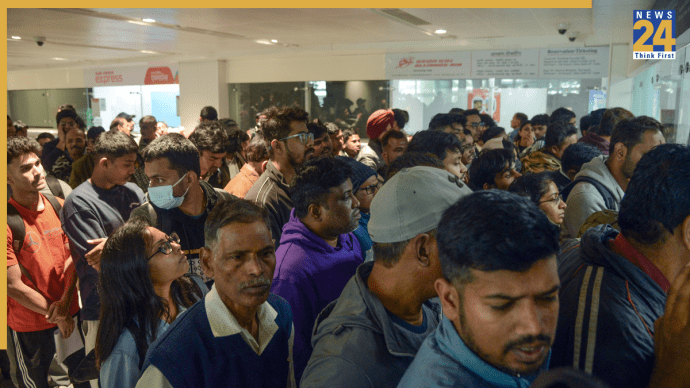



After four days of heavy operational disorder, flyers in India finally saw a sense of relief on Saturday. IndiGo, which faced major disruptions through the week, said that its services had largely returned to normal. According to the airline, nearly 95% of its scheduled routes are now operating smoothly, and flight movements have been restored on 135 out of its 138 destinations.
The company added that passengers whose flights were cancelled during the disruption would receive their full refunds. IndiGo has assured that all refunds will be processed by Sunday, 8 PM.
For thousands of passengers who spent hours at airports due to delays and cancellations, the improvement came as a welcome change. Many took to social media to say that airport crowds were finally thinning and boarding processes were running more smoothly.
IndiGo officials said the airline had been working “round the clock” to get aircraft, crew and schedules back on track. A senior operations manager explained that the biggest challenge was reorganizing flight rotations once delays began piling up earlier in the week. “When one aircraft is delayed, it affects the next few flights linked to it. Fixing that chain takes time,” he said.
Which Is the Biggest Airline in Pakistan?
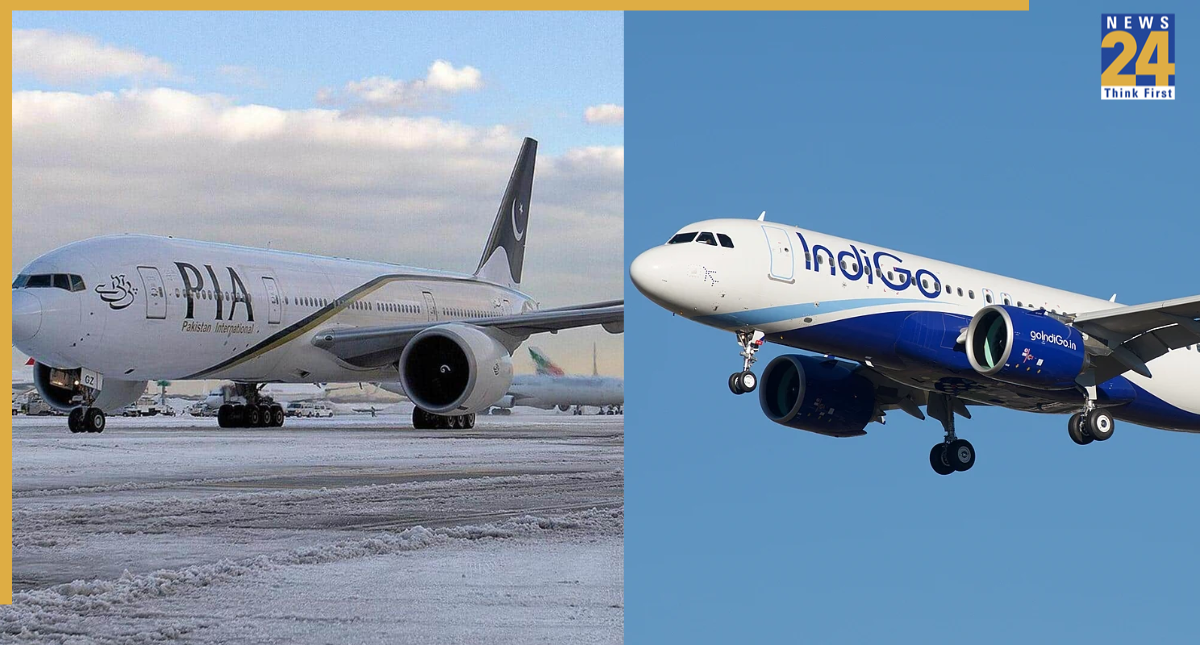
When it comes to fleet size, route network and historical presence, Pakistan International Airlines (PIA) remains the country’s largest airline. Despite the arrival of new private players, PIA still operates the most extensive domestic and international spread.
PIA flies out of major Pakistani cities including Karachi, Lahore, Islamabad, Peshawar and Quetta, connecting them not only with each other but also with destinations abroad. The airline’s strength lies in its long-established logistics network, experienced pilots and trained ground teams assets built over several decades.
Even with new low-cost carriers offering competitive fares, many passengers continue to choose PIA for routes where private airlines operate fewer flights or none at all. In remote or low-profit regions, PIA often remains the only carrier that runs regular services, which makes it essential for domestic connectivity.
However, the airline also faces serious challenges. Financial strain, maintenance delays, operational inefficiencies and occasional safety-related controversies have affected its reputation in recent years. As private airlines expand aggressively, competition has grown tougher for the national carrier.
Yet PIA’s wide outreach and its legacy position still give it an edge. Its role in keeping Pakistan’s far-flung regions connected continues to be a significant part of its identity and responsibility.
How Is Aviation Scene In Pakistan?
The disruption in IndiGo’s network also led to conversations about how airlines in neighboring countries manage large operations. Pakistan’s aviation sector, though smaller in scale, has its own long-running challenges and strengths.
While private carriers have entered the Pakistani market in recent years, the country’s older, national carrier continues to dominate long-haul and domestic routes.
PIA on the Verge of Collapse?
According to Profit Pakistan Today, Pakistan International Airlines is facing one of the worst financial crises in its history. The airline reported a staggering loss of over Rs 75 billion in 2023. What’s even more alarming is the widening gap between its assets and liabilities.
PIA’s total liabilities have surged to Rs 825 billion, while its total assets stand at just Rs 161 billion. To put this into perspective, Rs 825 billion equals approximately $9.18 billion or Rs 82,500 crore—a scale of debt that raises concerns about the airline’s survival.