
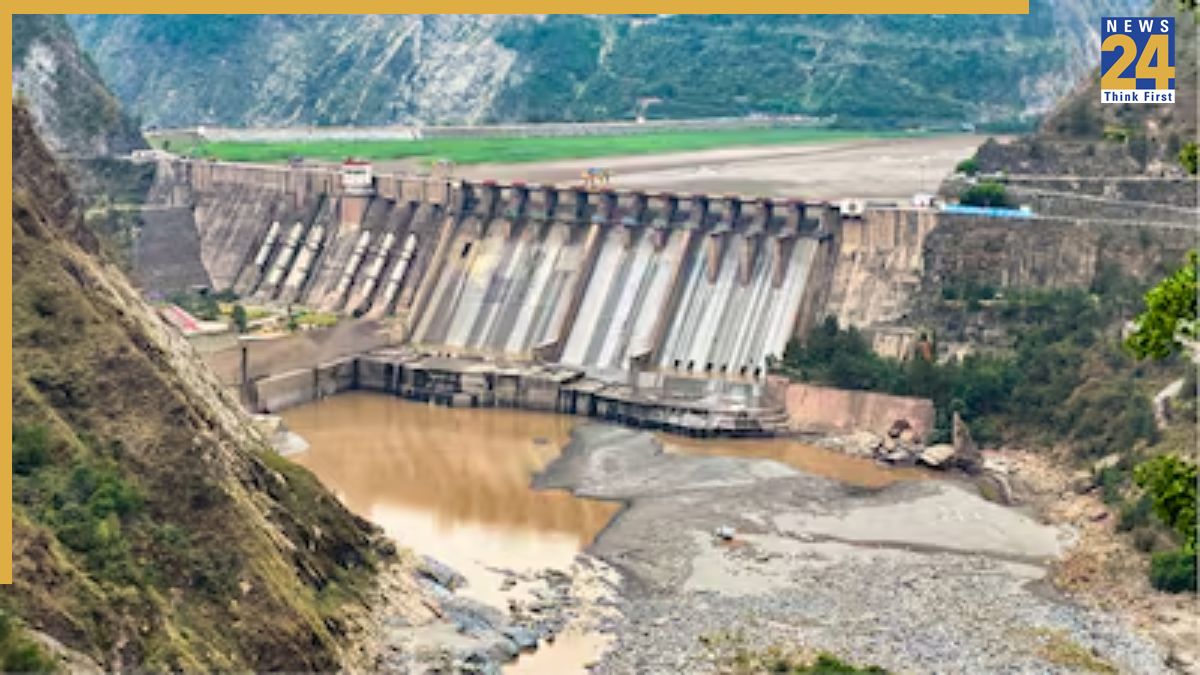


India has warned Pakistan about a possible flood in the Tawi River as a goodwill gesture. This comes while the Indus Waters Treaty (IWT) remains on hold following the Pahalgam terror attack. The gesture is the first of its kind since the standoff between the two countries after Operation Sindoor. India has said the move was made on humanitarian grounds. The Union Ministry of Jal Shakti shared the information with the MEA on Sunday, which then forwarded it to Islamabad.
There has been no official confirmation of the development from either India or Pakistan. If the reports are true, it would be the first time India used its diplomatic mission to convey such information.
Normally, information like this is shared through the Indus Water Commissioners under the Indus Waters Treaty. The treaty has been on hold since a terror attack in Pahalgam. In that attack, terrorists targeted tourists, killing 25 Indian nationals and one Nepalese citizen, and injuring several others.
India-Pakistan Indus Waters Treaty
India put the six-decade-old Indus Waters Treaty on hold after Pakistan-backed terrorists attacked Pahalgam in Jammu and Kashmir, killing 26 people.
In his Independence Day speech, Prime Minister Narendra Modi said, “blood and water won’t flow together,” referring to the Indus Waters Treaty and India’s strong stance against cross-border terrorism.
The Indus Waters Treaty was signed in 1960 and was brokered by the World Bank. It governs how India and Pakistan share the Indus River and its tributaries. The treaty divides the rivers so that India gets water from three eastern rivers—Beas, Ravi, and Sutlej—and Pakistan gets water from three western rivers—Chenab, Indus, and Jhelum.
The treaty also allows both countries to use each other’s rivers for certain purposes, like small hydroelectric projects that need little or no water storage.
India has said the treaty will remain on hold until Pakistan takes serious and permanent steps to stop supporting terrorism. Pakistan, on the other hand, has said that any attempt to stop or divert water flowing to it would be considered an “act of war.”