
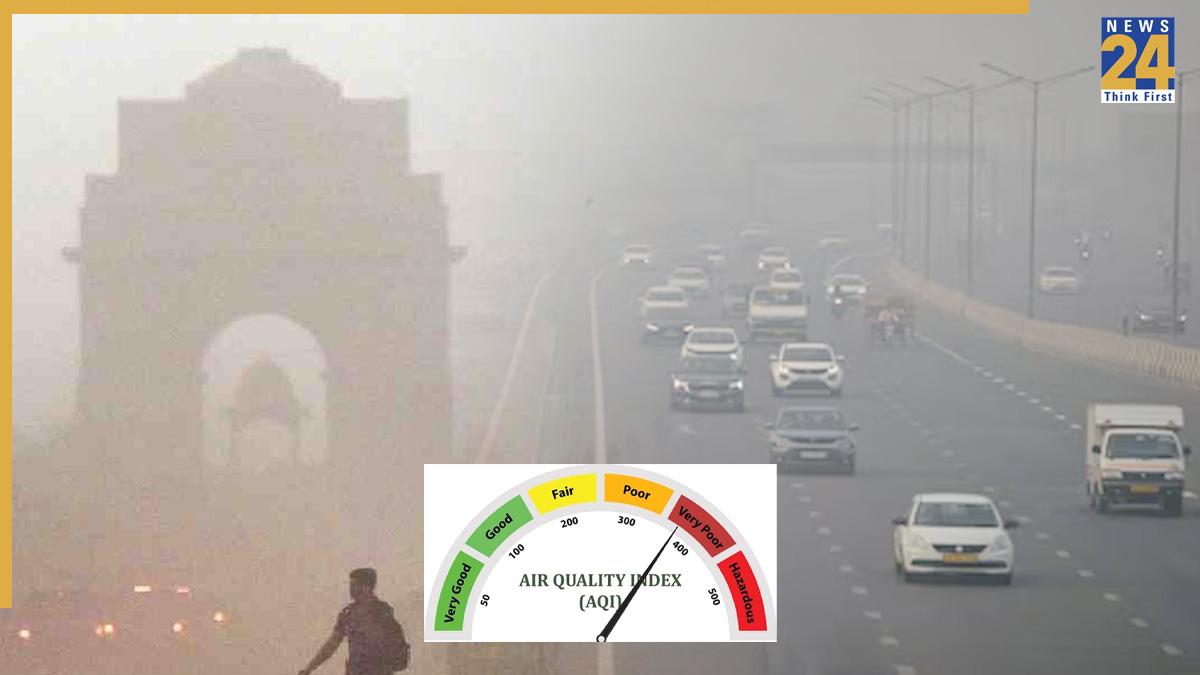


Delhi’s air quality worsened sharply overnight, pushing authorities to activate stricter pollution control measures across the National Capital Region (NCR). The Air Quality Index (AQI), which stood at 349 at 4 pm on December 12, rose steeply during the night and touched 401 by 10 am on December 13, officially entering the ‘Severe’ category.
According to officials, the sudden deterioration in air quality was caused by slow wind speeds, a stable atmosphere, and unfavourable weather conditions that prevented the dispersal of pollutants. With pollution levels crossing the critical threshold, the Commission for Air Quality Management (CAQM) decided to implement Stage III of the Graded Response Action Plan (GRAP) with immediate effect.
What Triggered GRAP Stage III
The CAQM’s GRAP Sub-Committee closely monitored the rising pollution levels and observed a consistent upward trend in AQI readings across Delhi and surrounding areas. With AQI crossing 401, the region officially fell under the ‘Severe’ air quality bracket, which ranges between 401 and 450.
Experts noted that the lack of wind movement and stagnant meteorological conditions allowed pollutants to accumulate near the surface, leading to a sharp decline in air quality within a few hours.
What’s Allowed, What’s Not In Delhi NCR GRAP 3 Restriction
Under Stage-III GRAP, several restrictions come into effect to reduce pollutant levels. Key measures include:
Allowed:
-
Emergency services, essential travel, and essential industries are permitted to operate.
-
Public transport services continue to function to reduce private vehicle usage.
-
Monitoring and enforcement agencies can carry out essential inspections.
Not Allowed:
-
Construction activities and demolition work are suspended.
-
Firecracker usage and outdoor burning of waste are strictly prohibited.
-
High-emission industries are either shut or required to implement stricter pollution control measures.
-
Non-essential vehicular movement may be restricted to reduce traffic emissions.
Stricter Restrictions Come Into Force
With the enforcement of GRAP Stage III, all measures prescribed under this stage have now been activated across the entire NCR. These actions come in addition to the controls already in place under GRAP Stages I and II.
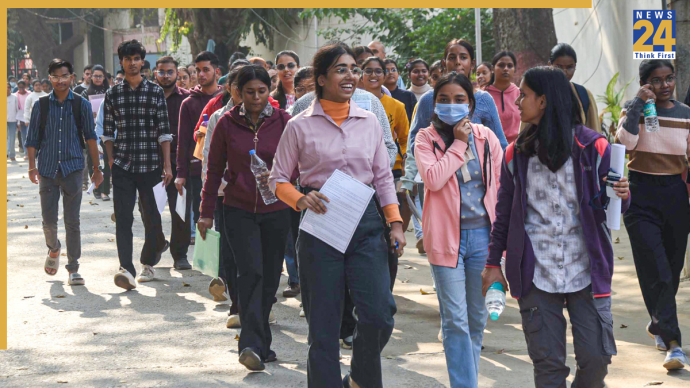
The move is aimed at preventing further deterioration and protecting public health, especially vulnerable groups such as children, the elderly, and people with respiratory conditions.
Pollution Control Agencies Put on High Alert
The CAQM has directed NCR Pollution Control Boards and other concerned agencies to intensify preventive measures on the ground. Authorities have been instructed to ensure strict enforcement of existing restrictions and step up monitoring across pollution hotspots.
Officials have also been asked to coordinate closely to ensure compliance with GRAP guidelines and take immediate action against any violations contributing to air pollution.
Health Advisory for Residents
With air quality now in the ‘Severe’ range, residents have been advised to limit outdoor activities, especially during early morning and late evening hours. People with breathing problems are urged to take extra precautions and follow medical advice.
Authorities continue to track air quality levels and will review the situation regularly. Further measures may be introduced if pollution levels remain high or worsen in the coming days.
Situation Being Monitored Closely
The CAQM said it will continue to assess meteorological conditions and pollution trends to decide on future action. Residents have been urged to cooperate with authorities and follow pollution-control guidelines to help reduce emissions during this critical period.