


The central government is going to take a big step towards strengthening political accountability. A new bill will be introduced in Parliament on Wednesday, which makes it mandatory that if the Prime Minister, Union Minister, Chief Minister or Minister of Union Territories is arrested or detained in serious criminal cases, then they will have to resign.
According to this proposed law, if a public representative remains in custody for 30 consecutive days, he will have to resign by the 31st day, otherwise he will be automatically removed from the post. Till now, the Constitution had a provision to remove public representatives only on conviction. This bill attempts to overcome that deficiency, so that action can be taken in such cases in advance, provided the sentence for the crime concerned is at least five years. Such crimes will include serious cases like murder and large-scale corruption.
The bill is one of three major proposals to be discussed in Parliament — the Government of Union Territories (Amendment) Bill 2025, the Constitution (130th Amendment) Bill 2025, and the Jammu and Kashmir Reorganisation (Amendment) Bill 2025. All these proposals are likely to be referred to a parliamentary committee for detailed consideration.
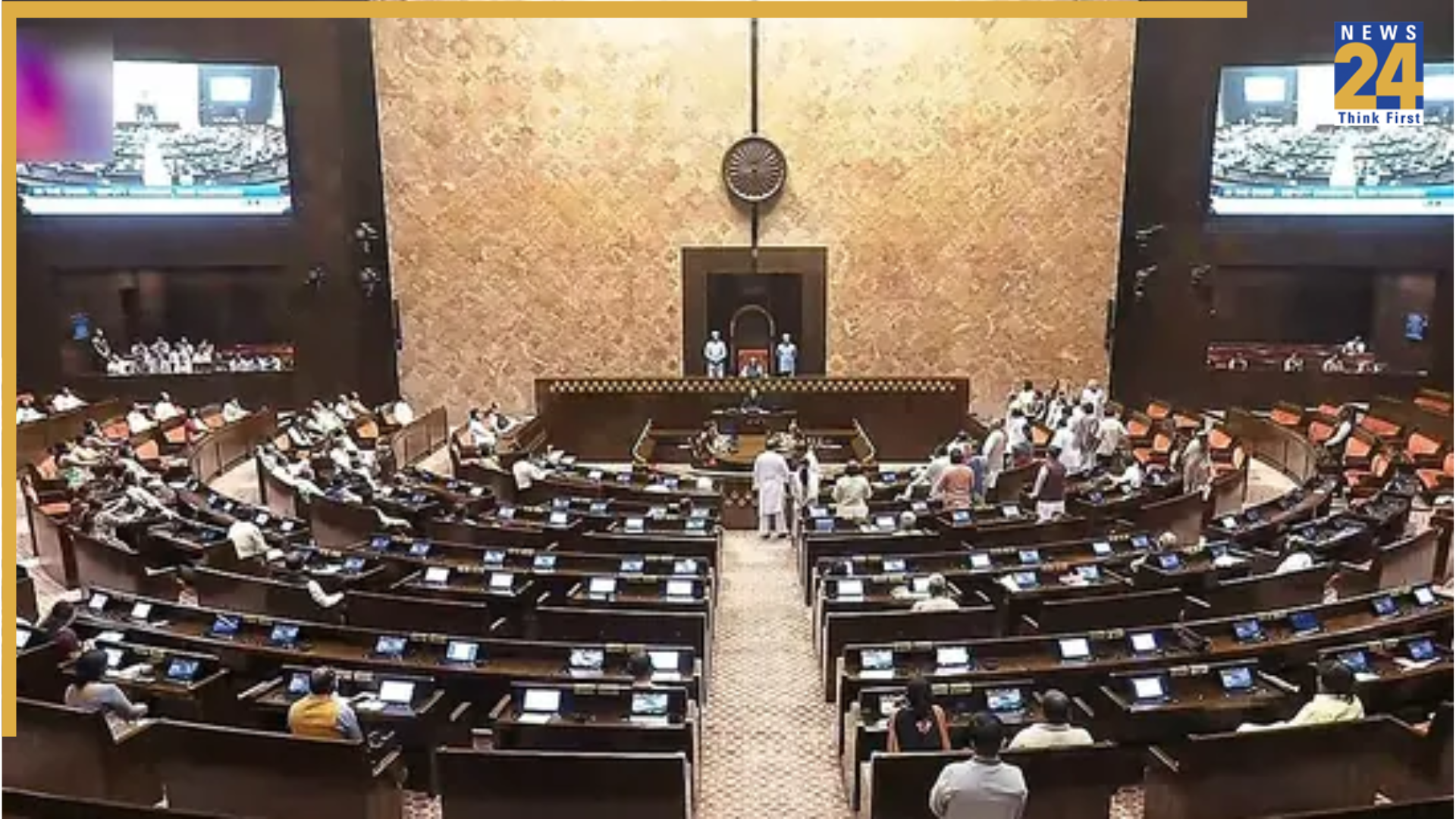
Home Minister Amit Shah will move the proposal in the Lok Sabha. Under this, amendments will be made to Articles 75, 164 and 239AA of the Constitution, which deal with the appointment and responsibilities of ministers of the Center, states and union territories.
There has been no formal response from the opposition on this issue so far, but a meeting has been called on Wednesday morning to consider it. Usually ministers resign before arrest so that governance is not disrupted, although there have been different examples in some cases, like Aam Aadmi Party leader Arvind Kejriwal, who ran the government from jail for about six months after his arrest in the Delhi Excise Policy case.
Also Read: Two Mumbai Monorail Trains Stuck Amid Heavy Rain; Nearly 800 Safely Evacuated