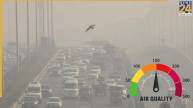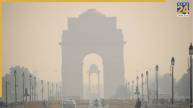

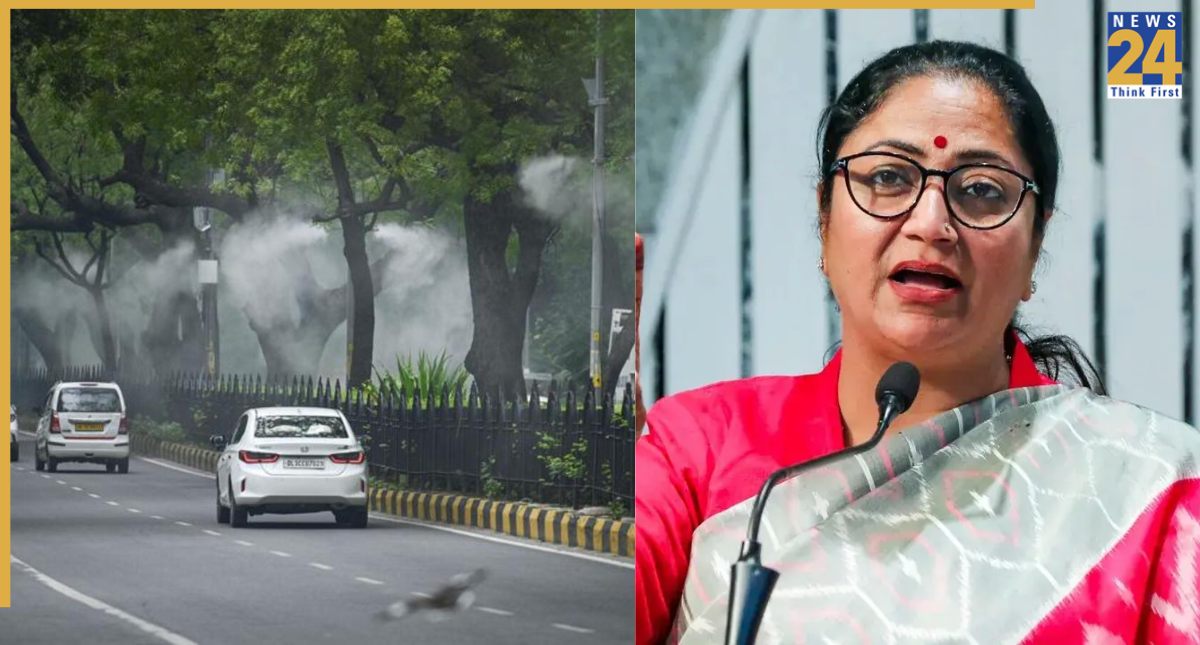


The Delhi government is rolling out a major initiative to fight air pollution in the city by deploying mist sprayer technology at key pollution hotspots, Chief Minister Rekha Gupta said on Thursday. The move comes as part of a larger plan to improve air quality and reduce dust and particulate pollution in the capital.
Mist Sprayers at Key Locations
Rekha Gupta inspected mist sprayers already installed at ITO, one of the busiest pollution-prone areas in New Delhi. She confirmed that work is underway to install 305 mist sprayers across nine pollution hotspots in the city.
“We are preparing an extensive plan to cover all major roads in Delhi with mist spray machines. The 35 poles fitted with mist sprayers at ITO are already showing good results,” Gupta told reporters after the inspection.
What Are Mist Sprayers And How Do They Work
Mist spray technology uses fine water droplets to capture and bring down airborne pollutants, such as dust, soot, and particulate matter like PM2.5 and PM10.
Experts explain that the process works in multiple ways:
- Particle capture: Water droplets bind with dust and pollutants, causing them to stick together.
- Agglomeration: The bound particles become heavier as they clump together.
- Settling: Heavier, water-bound particles fall to the ground, reducing the amount of dust and smog in the air.
- Cooling effect: The evaporation of mist also slightly cools the surrounding air, improving comfort in busy areas.
Trials conducted in certain New Delhi Municipal Council (NDMC) areas have already shown positive results, prompting the government to expand the program citywide.
Broader Measures to Tackle Pollution
Alongside mist sprayers, the Delhi government is forming a high-level expert committee to provide advice on additional measures to combat air pollution. The committee will include officials from government departments, experts from IITs, and environmental specialists. It will be granted special powers to coordinate pollution-control initiatives.
Rekha Gupta also highlighted other steps to fight pollution: departments such as PWD, DSIIDC, and DDA have been instructed to repair potholes, carpet roads, and plant foliage on road dividers and islands.
She urged residents to report potholes via the Delhi government portal and requested resident welfare associations (RWAs) to provide electric heaters to security guards in residential areas to prevent biomass burning during winters, a common source of pollution.
A Step Towards Cleaner Air
Mist sprayers, combined with road maintenance, greenery, and community participation, are expected to significantly improve air quality in Delhi. Chief Minister Gupta said the government remains committed to reducing pollution and creating a healthier environment for the city’s residents.