
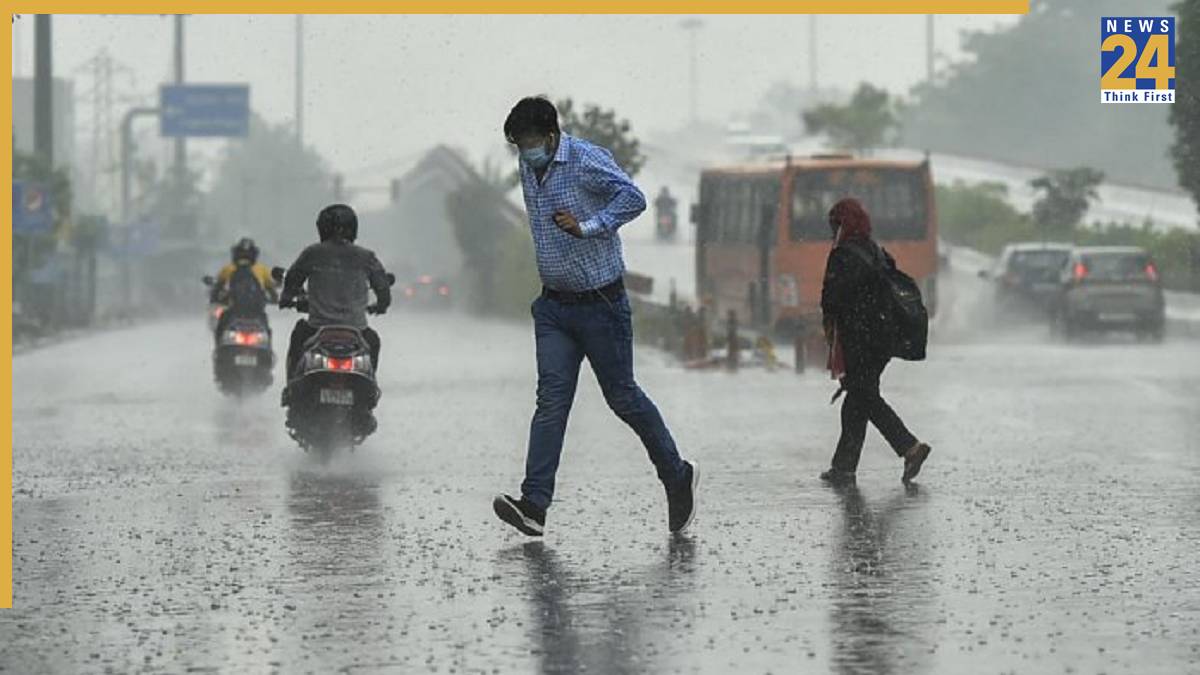


Delhi is all set to witness its first spell of artificial rain through cloud seeding between October 28 and October 30, if weather conditions permit, Chief Minister Rekha Gupta announced on Thursday, following a successful cloud seeding trial flight.
The proving flight, conducted jointly by IIT Kanpur and the Delhi Government’s Environment Department, originated from the IIT Kanpur airstrip and covered the Kanpur–Meerut–Khekra–Burari–Sadakpur–Bhojpur–Aligarh–Kanpur route, officials said.
During the four-hour operation, flares containing silver iodide and sodium chloride were fired between Khekra and Burari using the pyro method to test aircraft and equipment readiness.
Delhi CM Rekha Gupta tweets, "Preparations have been completed for the first time in Delhi to induce artificial rain through cloud seeding. Today, experts have successfully tested it in the Burari area. The weather department has indicated the possibility of cloud presence on… pic.twitter.com/u7kNYGyoas
---Advertisement---— ANI (@ANI) October 23, 2025
The Chief Minister called the trial a “historic step” in Delhi’s fight against air pollution.
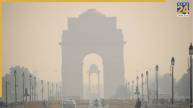
The announcement came as Delhi recorded very poor air quality for the fourth consecutive day. Environment Minister Manjinder Singh Sirsa said that all trials had been successfully completed and that Delhi was ready for its first artificial rainfall experiment.
Technical observations revealed that clouds above Delhi remained mostly clear on Thursday, with only two small patches identified near Burari. The four-hour test flight examined flare deployment, aircraft endurance, and coordination between meteorological and aviation teams, officials added.
Beyond that, the Environment Minister also outlined plans to deploy 70 new mechanized sweepers, 70 additional anti-smog guns, and 140 litter pickers to cover nearly 1,440 km of roads as part of the government’s broader air pollution management strategy.
The Directorate General of Civil Aviation (DGCA) has already granted permission for cloud seeding operations in Delhi between October 1 and November 30. The initiative, initially planned for July, was postponed several times due to prolonged monsoon conditions.
Following Diwali celebrations, air quality in Delhi remained very poor for the fourth consecutive day on Thursday, with the city recording an average AQI of 322, according to the Central Pollution Control Board (CPCB). Departments have been directed to strengthen coordination through the Green War Room and intensify action across 13 identified high-AQI hotspots.
What Is Rain Seeding?
Rain seeding, or cloud seeding, is a weather modification technique used to enhance rainfall by dispersing substances such as silver iodide, sodium chloride, or potassium iodide into clouds. These particles act as nuclei around which moisture condenses, encouraging the formation of raindrops. Aircraft or rockets are typically used to release these particles into suitable clouds. While the effectiveness of cloud seeding depends on existing weather conditions, it has been successfully employed in several countries to increase precipitation, reduce drought effects, and improve air quality.
Did Cloud Seeding cause the Dubai Floods- what can we learn
Cloud seeding involves manipulating existing clouds to help produce more rain. This is done by using an aircraft to disperse small particles of silver iodide into the clouds. The water vapor then condenses more easily around these particles, forming raindrops.
According to reports by the BBC, cloud seeding may have encouraged clouds around Dubai to release more rain. However, poor judgment of prevailing weather conditions lead to excessive rainfall, potentially causing flooding in urban areas. Due to such factors, the heavily urbanized regions of Dubai experienced extreme flooding after the rainfall.
Cloud seeding is generally deployed when natural conditions of wind, moisture, and dust are insufficient to produce rain. Before the rain-seeding operations in Dubai, forecasters had already warned of a high flooding risk across the Gulf region. A wrong judgment of the weather could hence cause issues.