


Supreme Court to hear Delhi pollution case on December 17
Senior advocate Aparajita Singh, acting as amicus curiae, told the Supreme Court that despite existing pollution control protocols, they are not being followed. She highlighted that last month, the Court had ordered a ban on sports activities during December-January in Delhi-NCR, but schools and other places are still conducting events. Singh added that state governments are finding ways to bypass court orders.
Chief Justice Surya Kant noted that the court is fully aware of the situation and will issue only effective and enforceable orders. He acknowledged that some directives need to be enforced strictly, but changing urban lifestyles is not easy.
Pollution hits the poor hardest
The CJI also pointed out that air pollution impacts the poor the most, while the wealthy are often responsible for activities that cause pollution. Aparajita Singh agreed, adding that poor laborers face the worst consequences. She also mentioned a separate petition related to children’s health. The Chief Justice confirmed that the case concerning Delhi-NCR’s air pollution is scheduled for a detailed hearing on December 17.
Delhi Suffers Severe Air Pollution on Monday
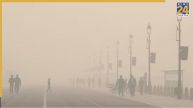
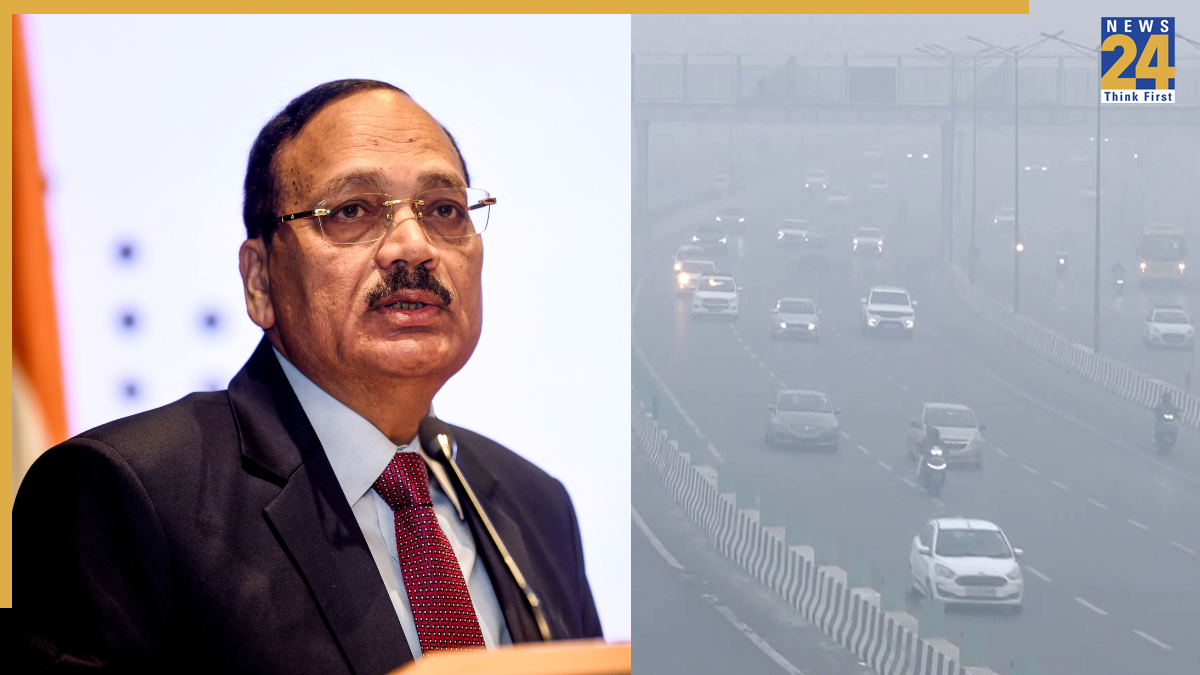
Delhi was covered in thick smog on Monday, with the Air Quality Index (AQI) hitting 498, placing it in the ‘severe’ category. Out of 40 monitoring stations, 38 recorded ‘severe’ air quality, while two stations reported ‘very poor’ levels. Jahangirpuri recorded the worst AQI at 498. According to the Central Pollution Control Board, AQI levels are classified as:
-
0–50: Good
-
51–100: Satisfactory
-
101–200: Moderate
-
201–300: Poor
-
301–400: Very Poor
-
401–500: Severe
The AQI had reached 461, marking the most polluted day of the winter so far and the second-worst December air quality recorded in Delhi on Sunday. Weak winds and low temperatures trapped pollutants near the ground, worsening the air quality.