


India’s civil aviation regulator, the Directorate General of Civil Aviation (DGCA), was forced to take a step back on Friday, December 5, after mass cancellations by IndiGo brought air travel across the country to a near standstill. The regulator rolled back parts of the new Flight Duty Time Limitations (FDTL) rules meant to limit pilot fatigue in an attempt to stabilise operations.
Four Days of Travel Disruption
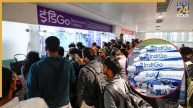
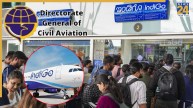
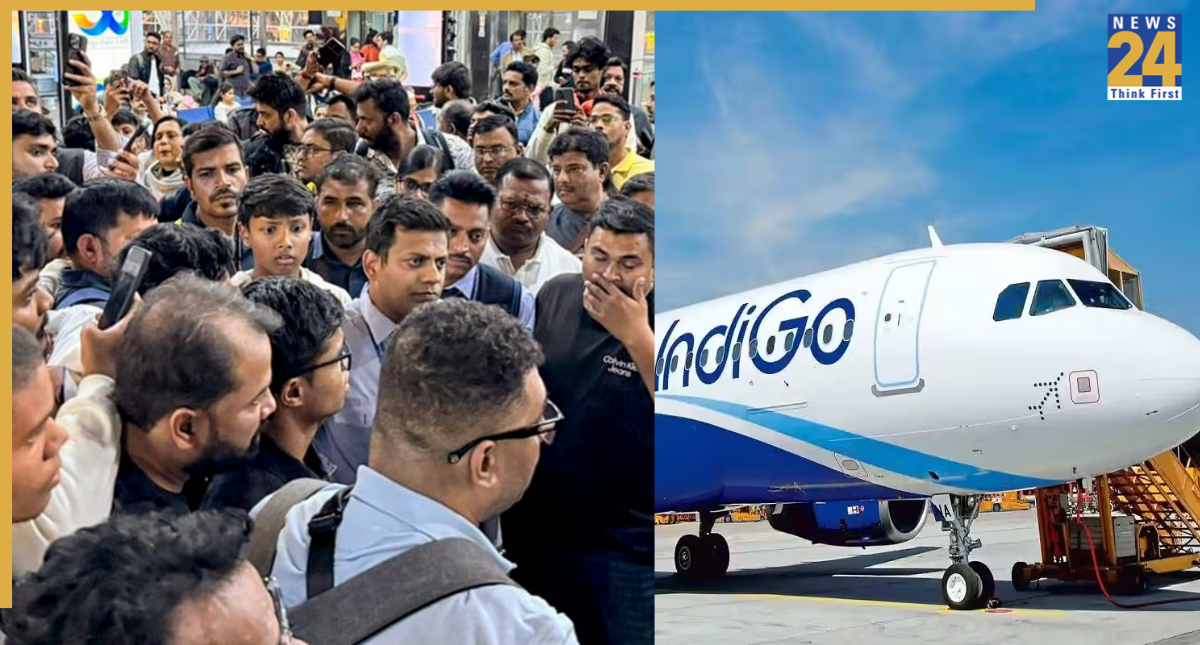
December 5 marked the fourth straight day of chaos. The morning began with an unprecedented move: all IndiGo departures from Delhi were cancelled. For several hours, the country’s busiest airport had no flights from its largest airline.
By the afternoon, the DGCA declared that the controversial FDTL norms, introduced barely a month ago on November 1, were being temporarily relaxed. The regulator called the rollback a “one-time extension” to help airlines tide over the immediate crisis.
The disruptions gathered momentum from December 2. Because IndiGo controls a majority share of India’s domestic aviation market, staffing shortages within the airline created a domino effect across airports. While Air India and Akasa Air also reported minor snags, their smaller size prevented large-scale spillover.
Over the past four days, IndiGo crossed 1,000 cancellations, affecting major cities like Delhi, Bengaluru and Hyderabad, as well as smaller airports such as Chandigarh, Patna and Bodh Gaya. Many passengers had already checked in their luggage when they were told their flight was cancelled. Several travellers reported waiting for hours simply to retrieve their bags. In one case aired on TV, a woman said she was sent home after being told her flight would not operate, only to later receive a frantic boarding call saying the plane was still departing.
The cancellations had real-life consequences beyond inconvenience. With December being the peak season for weddings, family events and holiday travel, many passengers said they missed ceremonies and long-planned celebrations.
Government Steps In
Civil Aviation Minister Ram Mohan Naidu had reviewed IndiGo’s operations late on December 4. He said he had instructed the DGCA to keep a close watch and ensure the airline restored normal services quickly. But the situation worsened by the next morning, prompting the government to intervene more decisively and ease the rules.
What Has Changed in the FDTL Norms
One of the key clauses withdrawn was the rule that prevented airlines from counting a pilot’s weekly rest as substitute for leave. This rule was put in place to ensure pilots got genuine recovery time and rest between rosters.
In an internal note on December 5, the DGCA said the temporary relaxation was necessary due to “ongoing operational disruptions” and repeated appeals from the industry for more flexibility.
Rules governing night-time duty (midnight to 5 am) and operations spilling into late-night hours have also been eased for now.
DGCA Appeals to Pilots Ahead of Fog Season
In a letter to pilot associations, DGCA chief Faiz Ahmed Kidwai said the aviation sector was under “significant strain”. With fog season approaching traditionally a difficult period for northern airports and with holiday and wedding travel pushing demand higher, the regulator urged pilots to cooperate with airlines to maintain stability.
Strengthening coordination between pilots and airline managements was “indispensable,” he wrote.
Criticism From Aviation Experts
Despite the rollback, the DGCA insisted it remains committed to enforcing safety-linked fatigue rules. Several experts, however, warned that reversing a scientifically designed safety regulation sets a worrying precedent.
Aviation analyst Mark Martin said that after the Ahmedabad AI-171 crash, global agencies have been closely monitoring India’s safety standards. “For the DGCA to go back on a well-structured safety regulation on crew fatigue will have global repercussions,” he warned, adding that it may also trigger pushback from pilots and unions.
As IndiGo races to stabilise its schedule, passengers continue to hope the worst of the mess is behind them. The coming weeks, with fog and holiday rush approaching, will reveal whether the temporary rollback offers real relief or merely postpones a deeper problem.