
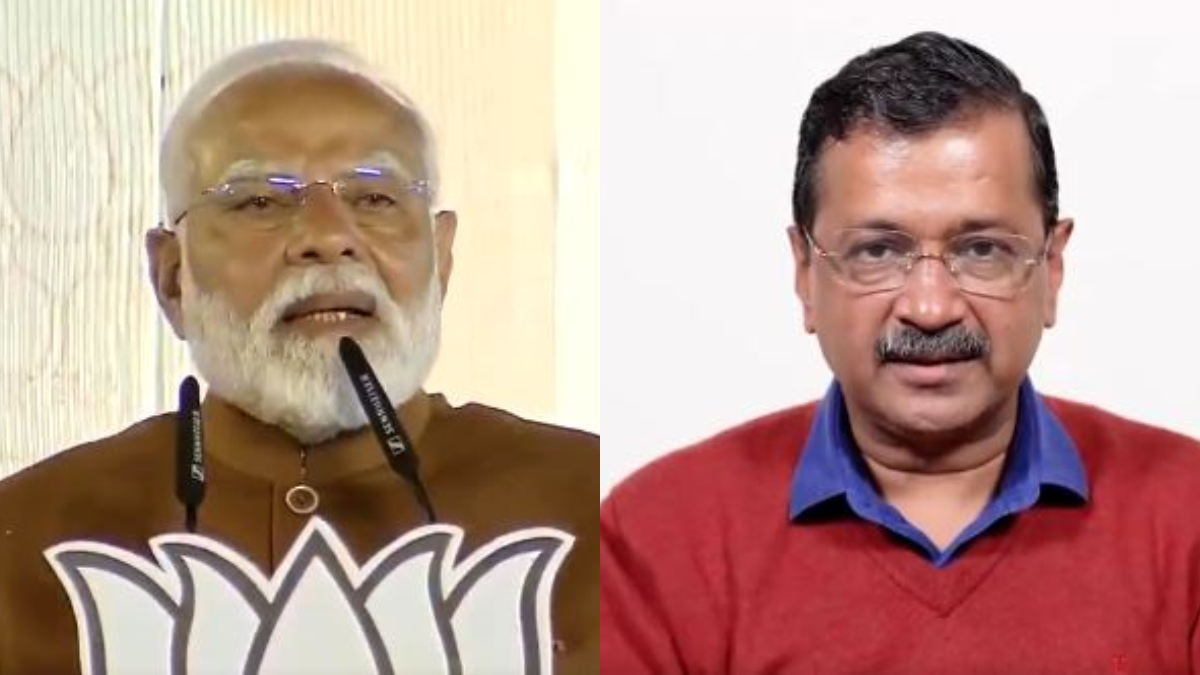


The Bharatiya Janata Party (BJP) won 48 seats in the Delhi assembly elections. After 27 years, the saffron party returned to power in the Delhi assembly. The party’s senior leadership’s strategic effort and the strong guidance on the ground led to the party’s win on February 8.
Here are the key factors-
BJP’s Strategy
The Bharatiya Janata Party had fielded potentially winnable candidates, and the party yielded results too. Prime Minister Narendra Modi, cabinet ministers, chief ministers of ruling BJP states, senior party leaders, and senior MPs campaigned for party candidates. The saffron party portrayed the opposition Aam Aadmi Party (AAP) and Congress hands in gloves as it had been seen in the past.
Anti-incumbency against AAP-
Anti-incumbency was a major factor against the AAP government. People wanted change while accusing the government of misgovernance. The Aam Aadmi Party was overconfident about retaining power because of their promises, which they fulfilled in the past. The party replaced a few sitting MLAs as candidates, but it failed to win the people’s trust.
BJP’s Poll Promises to Delhites
BJP had also made polls promises like AAP and Congress to the voters. Under the Mahila Samridhi Yojana, the party proposed monthly financial assistance of Rs 2500. To support low-income families, the party committed to providing LPG cylinders at Rs 500. These promises have played a key role.
Congress and AAP Went Solo in the Polls
The grand old party and AAP contested the elections solo, which gave an advantage to the BJP. Had the two parties contested together, the results might have been different.
Corruption Charges against AAP
The corruption charges against former Delhi CM Arvind Kejriwal and other ministers put the party in a bad light and it damaged its image, which had been claiming to be ‘spotless’ in the country.