


Girish Linganna
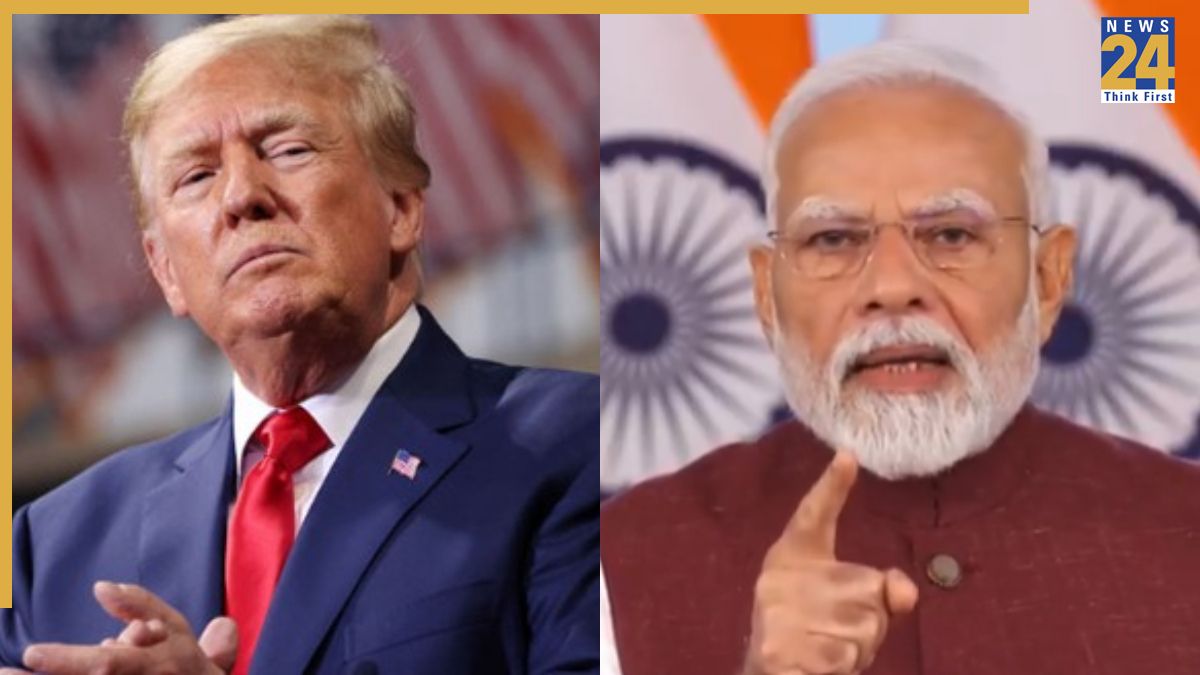
When America slapped a massive 50% tariff on Indian goods, many expected India to panic and quickly sign whatever deal was offered. But here’s what’s actually happening – India is calmly saying “we can wait,” and there’s a fascinating reason why.
The numbers tell an interesting story. Indian exports to the US did fall by 8.6% in October to ₹55,440 crore, but this drop was actually smaller than September’s 12% decline. While countries like Japan and South Korea rushed to make deals with Washington, India is taking its time. “For now, we have avoided the worst impact of the 50% US tariffs,” a senior official told Reuters, adding confidently, “If needed, we are ready to wait.”
Is the Tariff Dispute Over? The Inside Story
Recent signals suggest both sides may be moving toward middle ground. The US has hinted at announcements coming soon, while India has also shown willingness to compromise – but on its own terms. Indian negotiators expect the US to first remove the 25% tariff linked to India’s Russian oil purchases, then eventually bring the overall tariff down to around 15%. In return, India is ready to cut import duties on over 80% of goods, while protecting sensitive sectors like agriculture.
But why is India so confident? The answer lies in how the economy is holding up. According to FirstPost, India’s GDP grew 7% in the July-September quarter, and the Reserve Bank expects 6.8% growth this financial year. This strong domestic economy is giving negotiators the breathing room to strike a better deal rather than accepting whatever is on the table.
Indian exporters aren’t just sitting idle either. They’re smartly shifting focus to African and European markets through recent trade agreements with the UK, UAE, and Australia. Many companies are absorbing up to 20% of extra costs just to keep their American buyers, offering discounts and longer delivery times. “We’re managing,” says Ajay Sahai from the Federation of Indian Export Organisations, explaining how apparel and footwear companies are taking the hit to maintain relationships.
The government’s strategy has been practical rather than dramatic. Instead of announcing massive stimulus packages, New Delhi has made targeted moves – tax cuts on hundreds of consumer items since September are boosting local demand and helping exporters stay competitive. Tax reductions on inputs like man-made fibres are particularly helping textile exporters from Tirupur, who are now able to offer 10-20% discounts depending on the order size.
There’s also a ₹44,880 crore support package to boost exports, along with short loan moratoriums for affected businesses. The central bank and government are playing it smart – providing relief where needed without going overboard.
However, it’s not all smooth sailing. As FirstPost reports, there’s an unexpected challenge – China. With overcapacity in Chinese factories, cheaper Chinese goods are flooding markets worldwide, creating tough competition for Indian exporters. “Chinese businesses are deeply established, and their domestic conditions have made them highly competitive,” says Rahul Tikoo, CEO of Mumbai-based Optime.
Here’s something surprising – India’s exports to non-US markets actually fell more (12.5% in October) than exports to America, mainly because of weaker engineering, petroleum and jewellery shipments. HSBC’s chief India economist Pranjul Bhandari believes this shows stronger competition in non-US markets, as many countries are diversifying after the tariff announcements.
The Bottom Line
India’s “no rush” approach is working because the economy is strong enough to absorb the shock. While some textile manufacturers are seeing fewer US orders, the overall impact has been manageable. The government’s multi-pronged strategy – new trade deals, tax cuts, targeted relief, and export incentives – is helping businesses adapt and survive.
As both nations hint at compromise, the real question is who blinks first. For now, India seems comfortable playing the long game, proving that economic strength at home can be your best bargaining chip abroad.