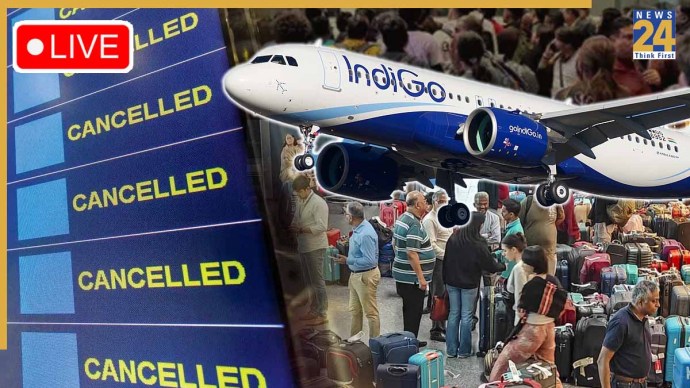



A huge crisis shook IndiGo Airlines on December 2, and over the next three days, it grew into something nobody had seen before. Nearly 1,300 flights were cancelled, leaving thousands of passengers stuck across India, helpless and worried. On December 5th alone, over 1,000 flights were cancelled in a single day. Almost two lakh (200,000) passengers found themselves stranded, and it felt like the entire country had stopped moving because of one airline.
The chaos was shocking and embarrassing, especially because it happened during Russian President Vladimir Putin’s visit to India. This was a dark moment for Indian aviation, and it raised a big question: how did India’s biggest airline collapse so suddenly?
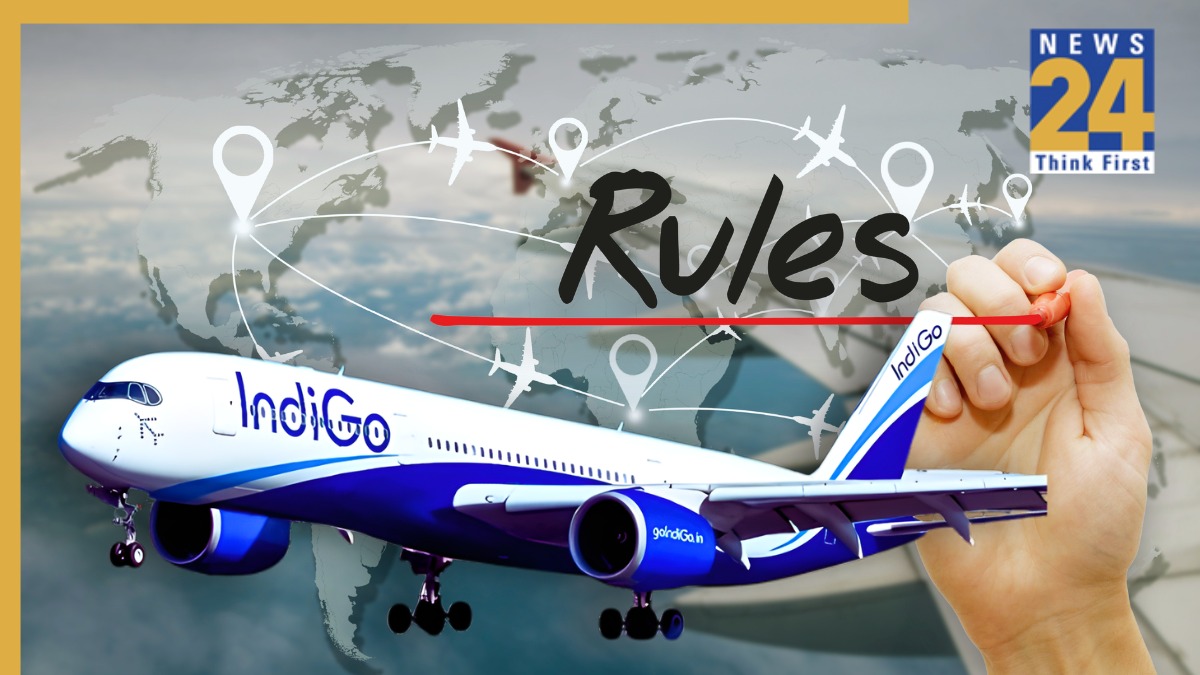
To understand this, we need to know what FDTL means. FDTL stands for Flight Duty Time Limit—these are rules that decide how many hours pilots and cabin crew can work and fly. These rules exist to prevent pilot fatigue (extreme tiredness) and keep flights safe. For example, a pilot might be allowed to fly 900 hours in a year, but not more than 100 hours in 28 days. With two pilots, they cannot fly more than eight hours at a stretch. With three or four pilots, they can fly 13–16 hours in a day. They must also have limited stopovers and fewer night landings to avoid becoming too tired. A pilot’s duty begins one hour before the flight takes off and ends only after the plane fully stops at the destination.
The International Civil Aviation Organisation (ICAO) is the world’s top aviation body that sets global safety rules. Countries then adjust these rules to fit their needs. The two main aviation authorities—the US Federal Aviation Administration (FAA) and the European Union Aviation Safety Agency (EASA)—follow ICAO guidelines very strictly. These rules keep changing as new safety updates are added. But India’s DGCA (Directorate General of Civil Aviation) did not fully follow FDTL rules the way ICAO, FAA, and EASA did.
For years, the Indian Pilots Association pushed for India’s FDTL rules to match international standards. They felt airline managements were overworking pilots, forcing them to fly beyond safe limits, making their jobs unsafe and stressful. After talks with airlines, pilot groups, and other stakeholders, the DGCA finally announced new FDTL rules in May 2024. The new rules were rolled out in two stages—the first phase began on July 1, 2024, and the second phase was completed on November 1, 2024. So airlines and pilots had nearly 20 months to prepare. But IndiGo clearly did not care.
First, let’s give credit where it’s due. IndiGo has grown into a giant. In just 19 years, its fleet expanded to 420 aircraft. It built a strong reputation for smooth operations, on-time flights, new and clean planes, smart cabin crew, zero fatal accidents, and excellent growth in revenue and profits. Its market value reached about USD 22 billion (₹1.98 lakh crore). It became an airline with global size and reputation—truly a big achievement.
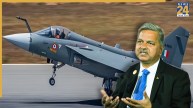
But over time, IndiGo turned arrogant. When Kingfisher collapsed, Jet Airways and GoAir went bankrupt, around 300 planes disappeared from the market, SpiceJet shrank from 100 aircraft to about 20, and Air India kept struggling even after the Tatas bought it, everyone moved to IndiGo, says Captain G.R. Gopinath, founder of Air Deccan and retired Indian Army captain, sharing his views with NDTV. People hoped Air India would challenge IndiGo after Tatas took over, but Air India kept facing problems, delays, and even the terrible Ahmedabad–London crash. IndiGo became a monopoly—when one airline dominates, it leads to arrogance and high ticket prices that burden passengers.
Airlines struggle with two tough goals: keeping passengers safe and making profit. If an airline flies less, keeps many planes in maintenance, and has extra aircraft on standby, it loses money. Airlines must use every asset fully and fly as many hours as possible to make profits. But if an airline becomes greedy and ignores safety, the business collapses, says Captain Gopinath.
IndiGo, like all airlines, had 20 full months to prepare for new rules. This meant hiring more co-pilots, captains, and cabin crew. But IndiGo was already short of pilots. Full-service airlines like Air India need about 11 pilots per plane because they fly fewer hours. But low-cost airlines now need 13–14 pilots per plane under new rules.
Many believe IndiGo’s management thought they could delay the new FDTL rules using their market power. With fewer pilots flying more hours, they could make more profit and increase stock value. IndiGo’s management should have listened to flight operations teams, rostering staff (who plan pilot schedules), and pilots themselves. Good leaders welcome feedback. While Air India, Akasa Air, and SpiceJet hired and trained new pilots, IndiGo ignored warnings.
Hiring and training pilots takes time. The same goes for updating crew-rostering software and managing flight records of 5,000–6,000 pilots. With winter schedules increasing and technical problems, IndiGo’s entire system collapsed.
The IndiGo Board must accept their mistakes. The DGCA relaxed FDTL rules for two months on December 6th because passengers were traumatised. Pilot groups protested. Was this right? It makes the government seem like it bowed to airline pressure.
A country cannot grow if any sector is controlled by one greedy monopoly. We still carry habits from the Jawaharlal Nehru era—when India had only Ambassador cars, only Bajaj scooters, and only Air India, once proudly built by JRD Tata but later nationalised and turned into a slow monopoly airline, reminds Captain Gopinath. Let’s make sure we don’t repeat the past.