

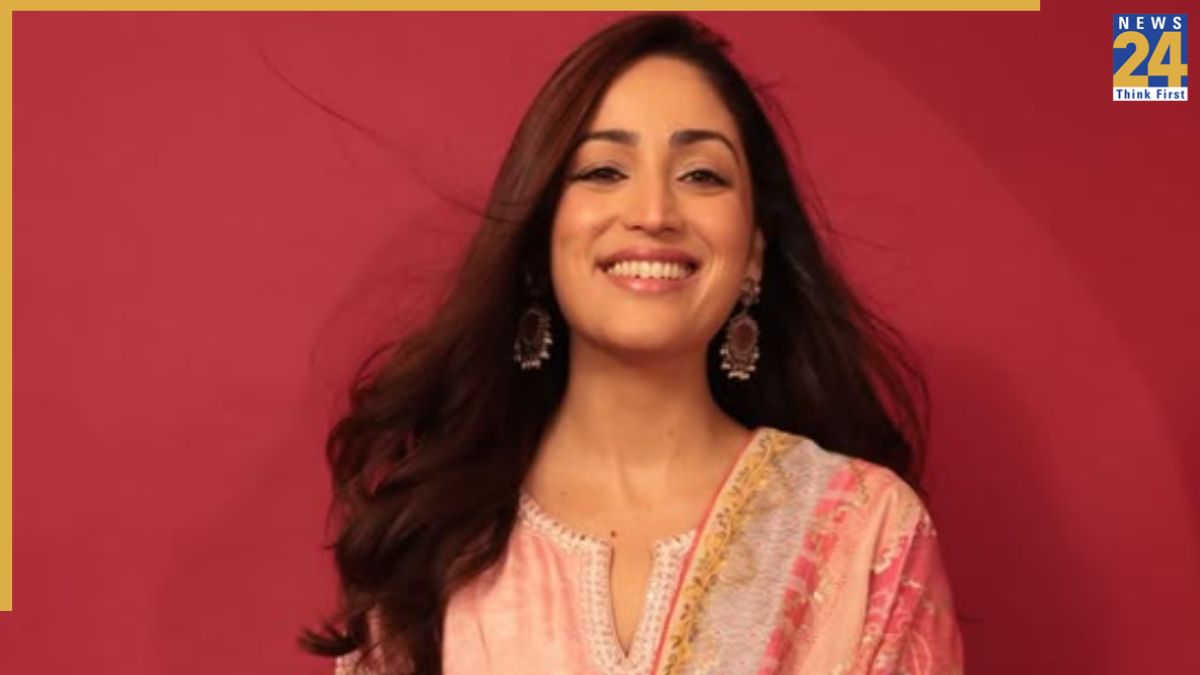


Haq looks like another powerful Shero saga from you. How do you zero in on such powerful subjects, or do these subjects zero in on you?
Stories like Haq come to me at a time when I feel ready to take them on, and that’s not a coincidence. I let my instincts guide me. If a script challenges me, excites me, and has the potential to resonate deeply with people, I take that leap without overthinking. Being pushed outside my comfort zone is where meaningful transformation happens; that’s what keeps me artistically alive.
You seem fully committed to your character in Haq?
Haq tapped into something that deeply resonates with me: a woman’s identity, her rights, her voice. Maybe these subjects chase me, too, because when you remain authentic to who you are and what you believe in, the right scripts just gravitate towards you. I will not term it a Shero saga, in all its sense, but a story that is generational in every sense for women and our country.
I see you as the face of female-driven films in the country. Do you see that as a huge responsibility on your shoulders?
Thank you, sir… It truly feels like an honour to have the audience associate me with strong and authentic stories. There comes a stage where the respect you earn for your choices matters just as much as the success your films achieve. I do feel a responsibility, but it’s a responsibility that inspires me instead of weighing me down.
Are you confident that roles like Article 370 and Haq would continue to come your way?
I want to keep delivering roles that are artistically fulfilling and genuinely meaningful. The real commitment is to constantly evolve, break patterns, and surprise the audience with new shades of women they may not have seen before. When someone buys a ticket for my film, I want them to trust that the intent behind it is sincere.