

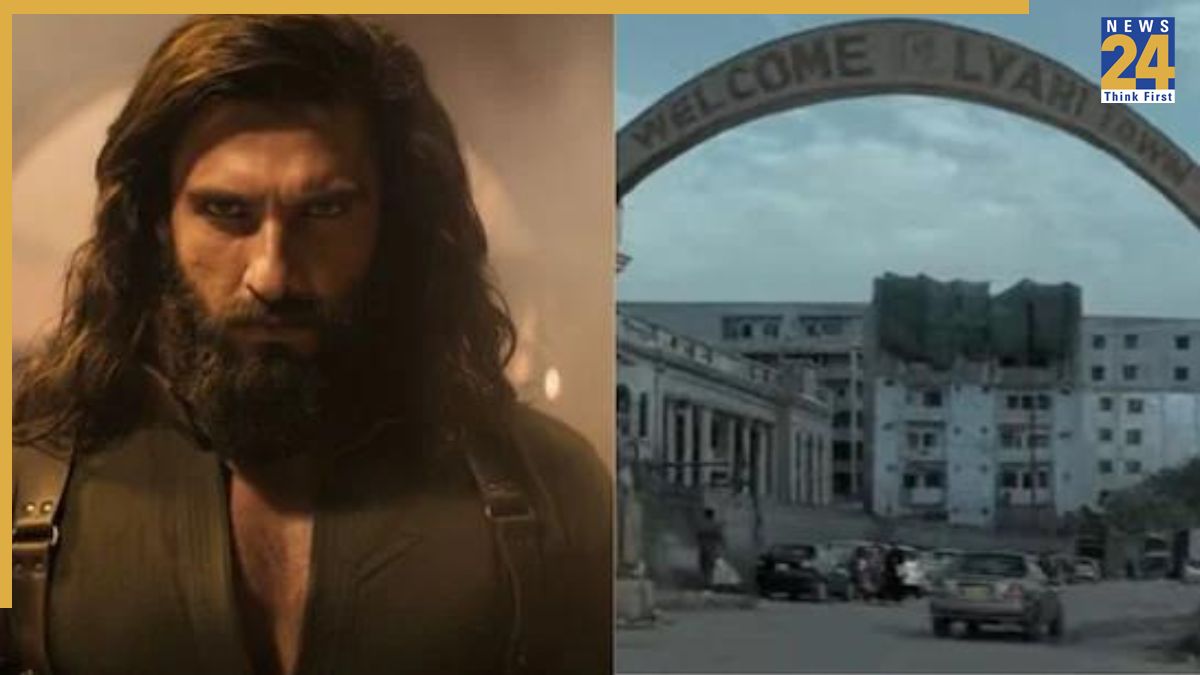


Lyari, one of Karachi’s oldest working-class neighbourhoods, is once again in the public eye following the release of the Indian spy thriller Dhurandhar. Directed by Aditya Dhar, the film is set in Lyari during the 2000s, a period residents often call Lyari’s ‘kaala daur’ or dark era. Drawing on the city’s notorious gang wars, the movie has reminded people of the violence and lawlessness that once gripped the area.
Multicultural community
Lyari is home to Baloch, Sindhi, Pashtun, Punjabi and Urdu-speaking families. For decades, it housed dockworkers, artisans, football players and boxers, creating a rich cultural mix. However, by the early 2000s, Lyari’s identity changed as criminal networks grew. What began in the 1960s as small-scale hashish smuggling developed into a powerful underworld, driven by local rivalries among figures like Dad Muhammad (‘Dadal’), Sheru and Iqbal (‘Babu Dakait’).
Rise of Rehman Dakait
A major turning point came with Sardar Abdul Rehman Baloch, better known as Rehman Dakait. He built a criminal empire covering drugs, extortion, kidnappings and protection rackets, but also funded parks, madrasas, sports tournaments and welfare schemes, earning a Robin Hood-like reputation among some locals. His gang network later became the Peoples’ Aman Committee (PAC), which ran parallel governance in Lyari, issuing permission slips, mediating disputes, and collecting taxes.
Violence peaked during the feud between Rehman Dakait and rival Arshad Pappu. After Rehman was killed in a controversial 2009 police encounter, his cousin Uzair Jan Baloch took over PAC. Under him, extortion became more organised and factional violence escalated. Even cultural institutions, like boxing academies, suffered, many young athletes were killed during the gang wars.
Lyari today
Today, Lyari is slowly reclaiming its cultural identity. The 2023 census records about one million residents. Violence has dropped significantly since the mid-2010s and football academies are thriving, with girls’ teams competing abroad. Local hip-hop artists such as Kaifi Khalil and Eva B have brought Lyari’s street culture to a global audience. Cafes and cultural spaces like Mehr Dar Cafe are helping rebuild community life and encouraging youth dialogue.
Once a No-Go area
Despite progress, the scars of the past remain. Bullet holes still mark walls and memories of the ‘no-go area’ years linger. Lyari’s story is one of resilience, a community that survived its darkest days and continues to reclaim its place as the heart of Karachi’s cultural life.