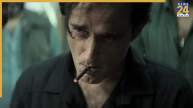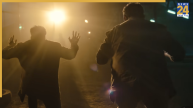


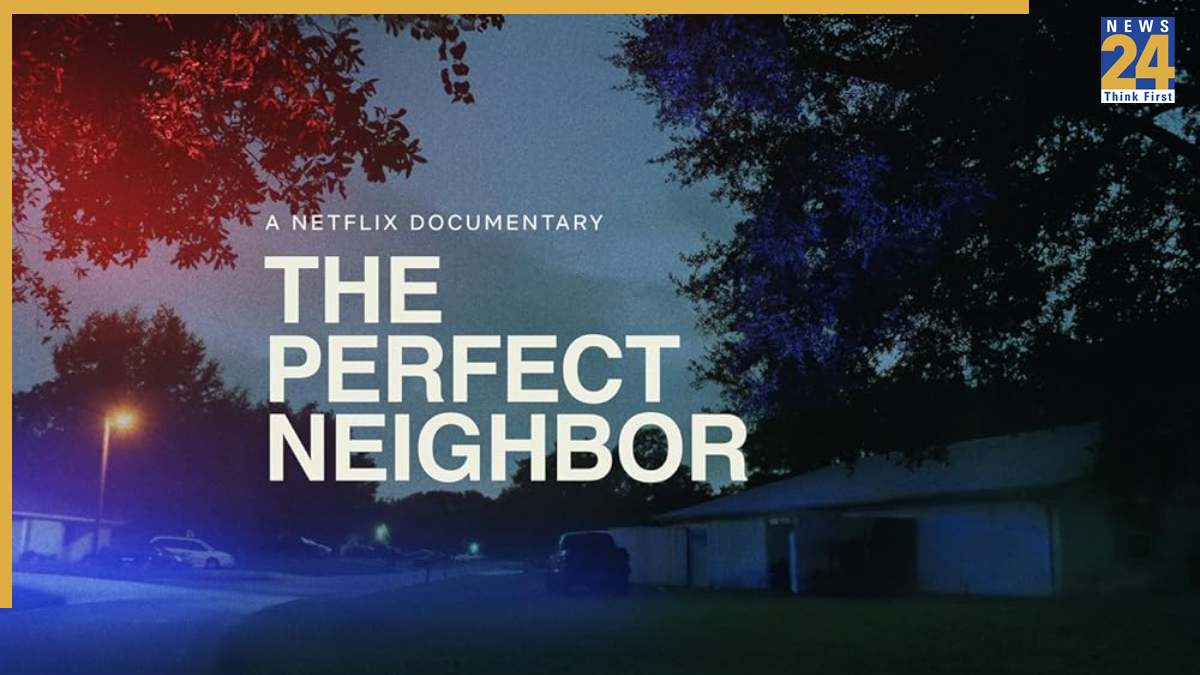


Neighbours do quarrel over trash disposal, parking space and noisy kids. Rarely does the spat turn so serious that blood is spilled. This exceptional documentary streaming on Netflix puts together bodycam footage involving the murder on June 2, 2023, in Ocala, Florida, of a black woman with four children, Ajike Shantrell Owens, who was shot by a white woman, Susan Lorincz.
The racial reference is relevant. It colours the entire crime procedural.
For writer-director Geeta Gandbhir of Indian origin (take a bow, lady), the easy way out would have been to sign some competent actors and make a fictional version of the real crime. Which would have been like building Agra without the Taj Mahal.
The real beauty of this piece of diligent filmmaking is to piece together CCTV footage from the scene of the crime — the humdrum workaday suburban neighbourhood of Ocala, US, populated mostly by Blacks, where murder seems outrageous.
In this Black neighbourhood lives a cranky, neurotic, potentially dangerous woman named Susan Lorincz. It is a miracle that the director is able to congregate coherent footage out of the chaos of a crime that has no connectivity to order and coherence.
This is not an “organized crime” where the filmmaker would be able to go from one level of investigation to another. Geeta Gandbhir uses the available footage liberally but determinedly. Some of the footage is fuzzy, others have the faces of children blurred (presumably on request by their guardians).
The unreliability of the visuals is the film’s greatest strength. The more hazy the visuals, the more trustworthy it seems. There is no doctoring of the crime scene. No tampering with the evidence to make it more accessible to the audience. This is as close as we could get to cinematic reality.
The documented evidence of an unthinkable crime is miraculously mounted into a gripping story of a woman who could be Mr. Wilson to the neighbourhood Dennises, except for that one crucial detail: Mr. Wilson wouldn’t put a bullet into Dennis’s mother’s chest.
Geeta Gandbhir’s film is an exceptional cautionary tale on race relations in the US and how they impact the basic etiquettes of neighbourly behaviour. It is also a study of neighbourly quirkiness: you know that one cranky old neighbour who scowls at and scolds the kids… Well, be warned, the situation could get homicidal if a gun is involved.
Also be warned: some footage in The Perfect Neighbour, especially pertaining to the murder accused’s interrogation in a tiny freezing room, is very disturbing.
Also Read: Daksha The Deadly Conspiracy review: The cinematic equivalent of inertia