



Ahead of the OTT debut of the Telugu film Daaku Maharaaj on 21st February, rumours have been circulating that Urvashi Rautela’s scenes have been removed. The actress, who is part of the ensemble cast, was missing from the film’s promotional poster, sparking speculation among fans. However, Netflix has now responded to these claims.
Netflix Denies Removing Urvashi Rautela’s Scenes
A source close to Netflix India has confirmed to Zoom that the OTT platform will stream the theatrical version of Daaku Maharaaj without any cuts. This means that Urvashi Rautela’s scenes remain intact. Earlier this week, Netflix South India posted on X (formerly Twitter):
“Evaraina chadavadam lo masters chestharemo… kaani ithanu champadam lo chesadu. Watch Daaku Maharaaj on Netflix, out 21st February in Telugu, Tamil, Kannada, Malayalam, and Hindi! #DaakuMaharaajOnNetflix.”
Evaraina chadavadam lo masters chestharemo… kaani ithanu champadam lo chesadu.
— Netflix India South (@Netflix_INSouth) February 18, 2025
Watch Daaku Maharaaj on Netflix, out 21 February in Telugu, Tamil, Kannada, Malayalam and Hindi!#DaakuMaharaajOnNetflix pic.twitter.com/nUcc1SVEAe
Daaku Maharaaj Box Office Success
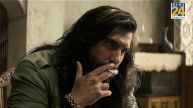
Directed by Bobby Kolli, Daaku Maharaaj was released in theatres on 12th January during the Sankranti festival. Starring Nandamuri Balakrishna in the lead role, the film has grossed over Rs 115 crores worldwide. The cast also includes Bobby Deol, Pragya Jaiswal, Shraddha Srinath, Rishi, Chandini Chowdary, Pradeep Rawat, Sachin Khedekar, Shine Tom Chacko, Viswant Duddumpudi, Aadukalam Naren, and Ravi Kishan.
Controversy Over the Film’s Choreography
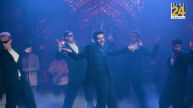
Even before its theatrical release, the song Dabidi Dibidi, featuring Balakrishna and Urvashi Rautela, faced criticism for its choreography, which some viewers found too v/-ulgar. Additionally, Urvashi made headlines for her comments on the film’s success amidst the news of a knife attack on Saif Ali Khan.
Despite these controversies, Netflix has confirmed that Daaku Maharaaj will be available for streaming in its original theatrical form.