
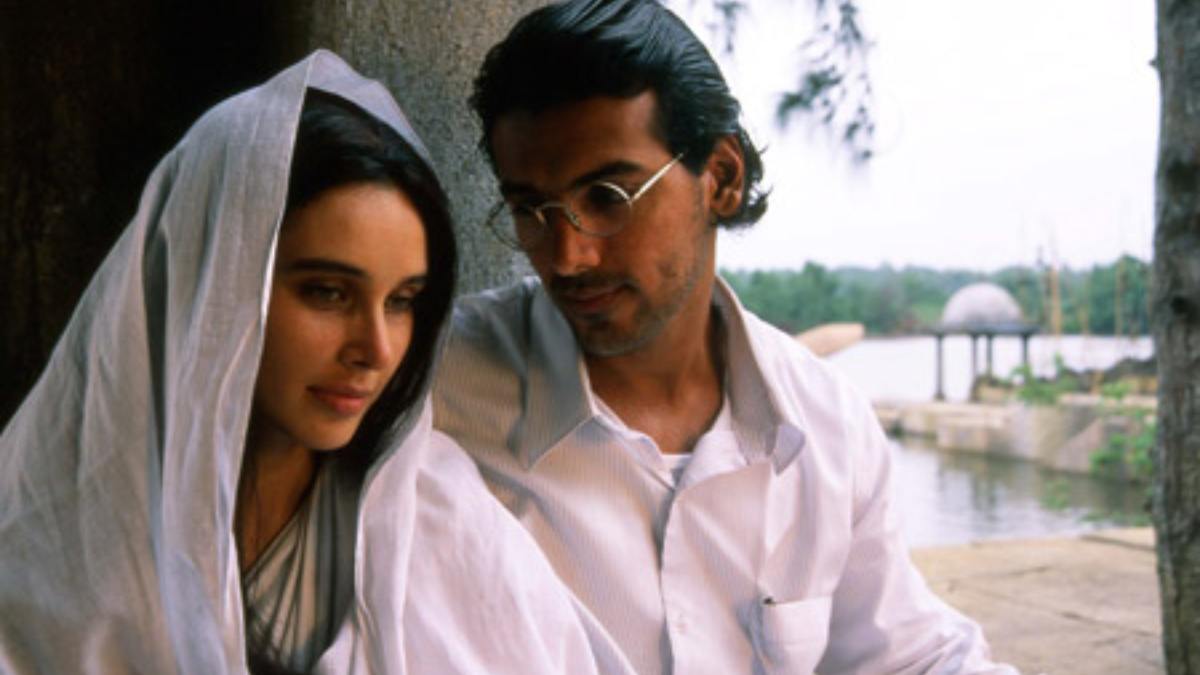


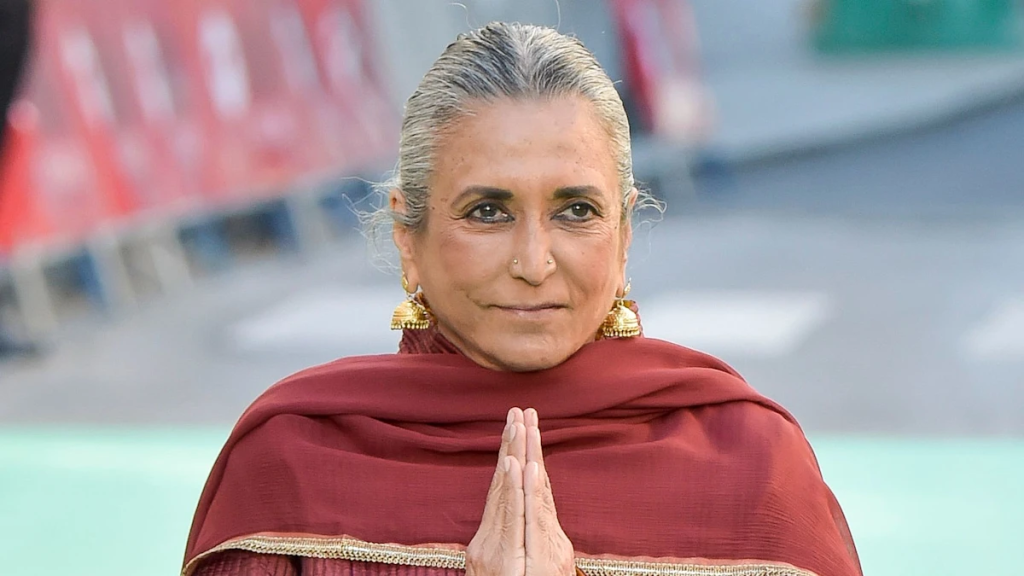
Deepa Mehta’s Water remains one of the most powerful films ever made, tackling the haunting reality of abandoned widows in India. Reflecting on the film’s journey, Mehta shared, “Wherever and whenever I’ve shown the film, the response has been pretty much the same. People have wept and stood frozen for at least fifteen minutes.” She also shared the filmmaker, who fought for five years to bring Water to life, believes that the delay only made the project stronger. “The script didn’t change. I have. If I had made Water five years earlier in Varanasi instead of Sri Lanka, it would’ve been a different film. Varanasi had become a character in itself, too overwhelming for me as a filmmaker. Once I moved away from Varanasi, I felt creatively liberated. It gave me much more freedom to do what I wanted. The canvas became larger.”
A Personal and Transformative Experience
While making the film, Mehta was not concerned with audience reactions on this Mehta said, “I said what I had to. It was an incredible experience of growth for me. You do something you believe in, but you have no control over how the world reacts. The way people have responded to Water has been overwhelming.”
Unlike her previous films, Fire and Earth, where specific groups resonated more deeply, Water struck a chord with both men and women. The inspiration for the film came from her visit to Varanasi while shooting Young Indiana Jones, where she encountered an abandoned widow. “I followed her to an ashram, and the experience shocked me. We all know about widows, but the whole ashram syndrome struck me as utterly poignant.”
Brutal Honesty And The Fight Against Societal Injustices
Mehta’s unflinching portrayal of sexual repression in Water was intentional. “I don’t shy away from the truth. Societal discrimination horrifies me. Life is filled with despair, but I finally found hope in my story.”
The film’s impact was undeniable. “Water was chosen as Amnesty International’s Film of the Year and the Activist Film of the Year in Ottawa. The response has gone beyond me. After the first five minutes when Chuhiya asks her father, ‘For how long am I a widow?’ I forget I even made the film.”
Universal Relevance and Lasting Impact
Mehta believes Water’s message transcends cultures. Explaining this she said, “Pain and suffering aren’t restricted to any one community, gender, or culture. People in Canada connected Water with the persecution of aboriginals, while in Karachi, they linked it to the plight of divorcees. In South Africa, it resonated with those who experienced apartheid.”
The character of Kalyani, played by Lisa Ray, was Mehta’s tribute to Bimal Roy. “Kalyani is my Bandini. Water is, in many ways, an homage to Roy’s work. The film’s authenticity was heightened by casting non-professional actors for several roles. “Many of the widows in the film were played by real women with no prior acting experience. Mridula, for instance, was a doctor of Hindi literature from Pune who had always wanted to act.”

Despite the film’s worldwide acclaim, Mehta still regrets that the very women whose plight she depicted may never see Water. “Instead of doing something about abandoned widows, they aren’t even getting to see a film on the theme.” Ultimately, Mehta believes Water is about desire and hope. She said, “I couldn’t make Water until I stopped being angry. It took me five years to let go of that anger. But now, I’m just grateful that the film exists and continues to touch lives.”