


The Union Cabinet has sanctioned the establishment of 57 additional Kendriya Vidyalayas (KVs) in the Civil sector across the country, with a combined expenditure of Rs 5,862.55 crore over the next 9 years from 2026-27, to cater to the educational needs of children of Central Government personnel, especially in areas that currently do not have Kendriya Vidyalayas.
Of the approved expenditure, Rs 2,585.52 crore will be utilized for capital expenditure and Rs 3,277.03 crore for operational expenditure. In a significant first step, all 57 KVs will, for the first time, have Balvatikas which denote a three-year foundational early childhood pre-primary classes aligned to National Education Policy (NEP) 2020.
Expansion Across 17 States and UTs
The new schools will be established throughout 17 states and Union Territories to ensure balanced regional distribution.
Among these, 20 will be established in districts where a KV does not currently exist, 14 in Aspirational districts, four in Left-Wing Extremism (LWE) affected areas, and five in North Eastern and hilly areas.
The Cabinet Committee on Economic Affairs (CCEA) granted approval for seven KVs sponsored by the Ministry of Home Affairs and 50 KVs by State/UT authorities, to supplement the 85 KVs previously sanctioned in December of 2024. This advancement continues the government’s efforts to supplement KVs in high-demand and strategically important areas.
Job and Student Benefits
KV schools have a capacity of about 1520 students per school. With 57 newly-built schools, more than 86,000 new students will also benefit from joining the schools. The government will also create 4,617 new permanent teaching and non-teaching positions, as well as jobs for skilled and unskilled laborers during the construction phase.
The Kendriya Vidyalaya system was established in 1962, to provide uniform quality education for children of transferable Central Government employees. It has grown to 1288 schools, including three schools outside of India – in Moscow, Kathmandu and Tehran. The enrollment in KVs as of June 2025 is recognized to be around 1362000.
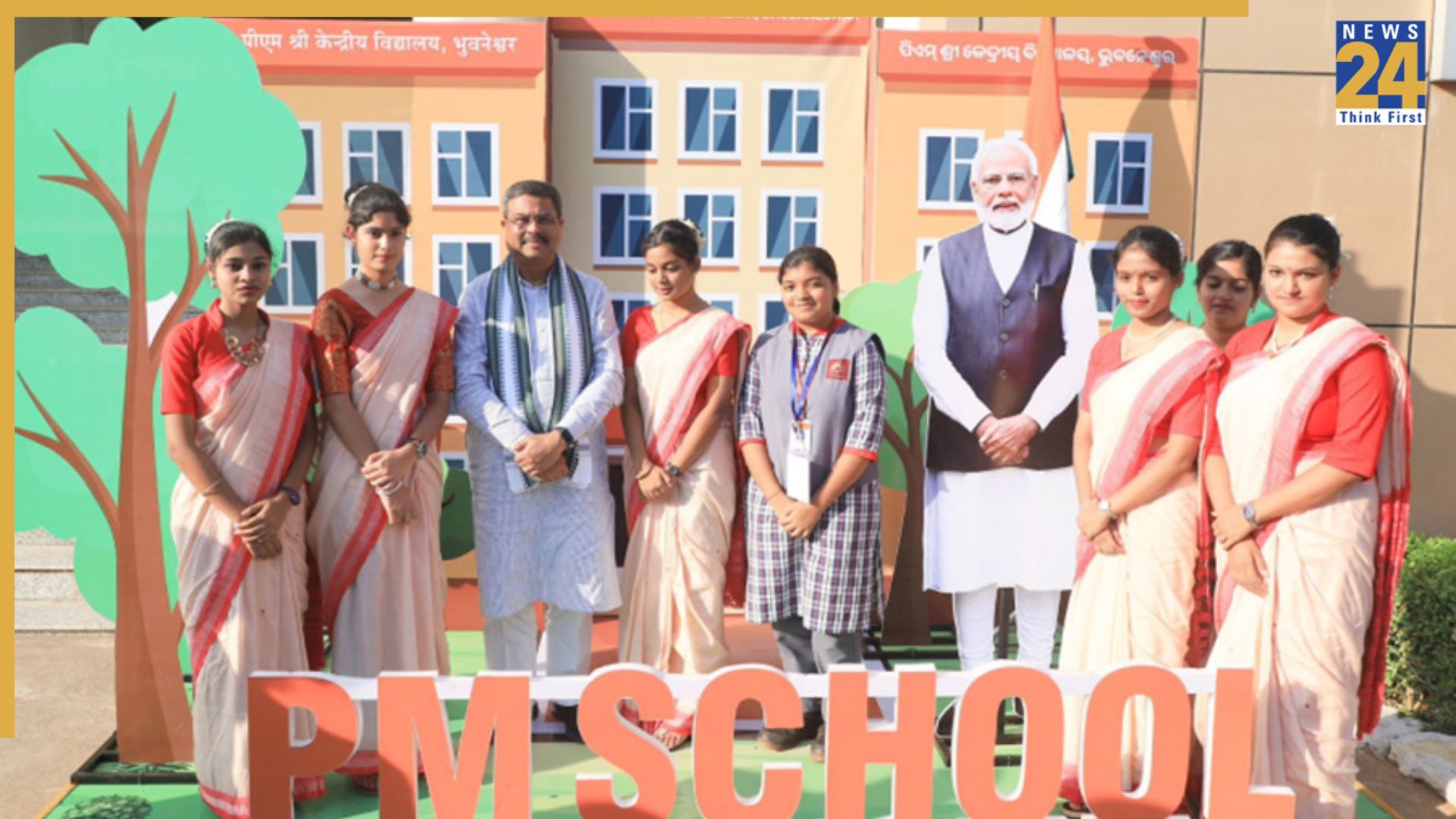
Many of the KVs have been designated as PM SHRI schools, which signifies model schools in NEP 2020 implementation, with a focus on quality pedagogy, modern infrastructure and academic results. Every year, admissions continue to increase with the exception of entry level phases – as encouraging enrollment from parents every academic year at the entry level is significant and increasing.
Also Read: JEE Main 2026 Dates: Know When Application Opens, Exam Sessions, Answer Key & Result Timeline