

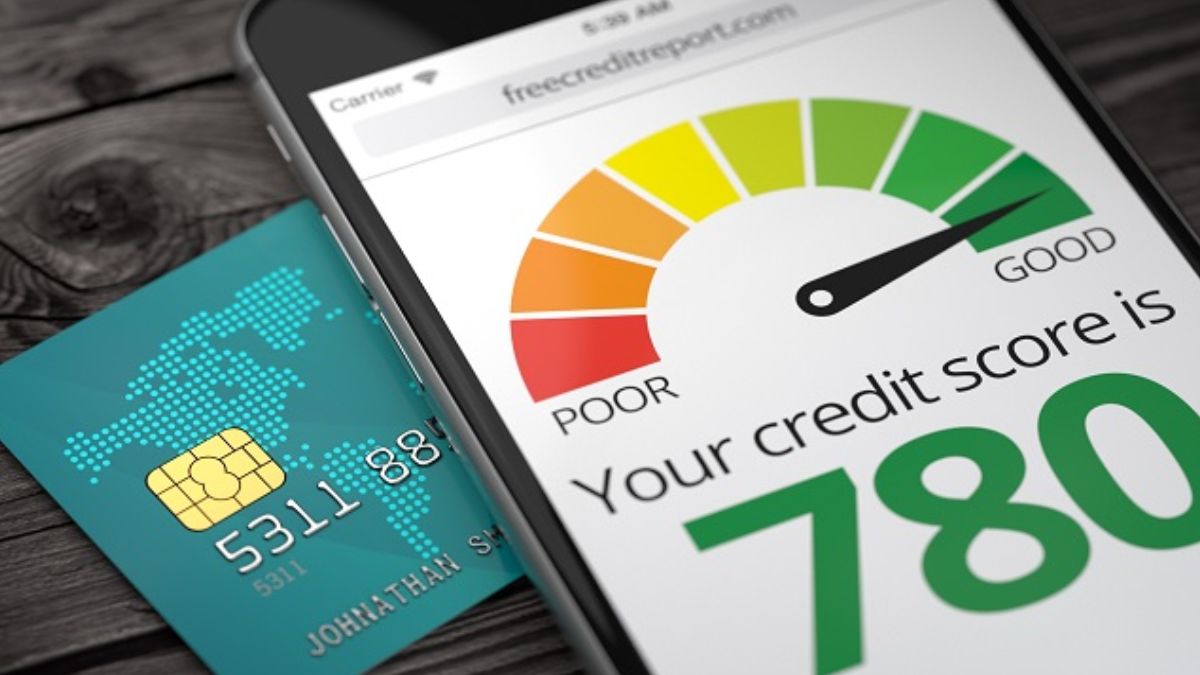


Missing a payment of personal loan can cause long time negative impact on your credit report and creditworthiness, in India. Credit bureaus like TransUnion CIBIL, CRIF High Mark, Equifax, and Experian keep records of such loan defaults for up to 7 years from the date of the first missed payment.
A single missed payment can remain on your credit profile for about 7 years, affecting your ability to secure new credit lines like personal loans or credit cards. Moreover, any default on a credit report can cause severe damage to anyone’s credit score, making it difficult for such individuals to secure new personal loans, home loans, premium credit cards or other credit facilities.
Even the settlement of an outstanding credit demand doesn’t erase the default record from your credit report. It remains in the record for several years, potentially leading to higher interest rates on future loans or loan rejections.
How To Reduce The Damage?
- Repay Promptly And Sincerely: Clear any outstanding dues as quickly as possible, as timely repayment helps prevent further damage to your credit profile.
- Obtain No Dues Certificate: After an individual fully repays the loan, he/she must ask for a ‘No Dues Certificate’ from the lender as an official proof that the loan has been closed.
- Constantly Monitor Your Credit Report: Keep your credit report in check over time to make sure that all repayments are accurately reflected.
- Resolve Disputes Quickly: If you find any problem in your credit report, raise a dispute with the relevant credit bureau.
- Limit Loan Applications: Avoid applying for several loans within a short timeframe, as multiple hard inquiries can negatively impact your credit score.
- Rebuild With Positive Credit Behaviour: Start using multiple credit cards (backed by fixed deposits) or small consumer loans, and ensure timely repayments.
- Maintain A Balanced Credit Mix: Maintain a mix of secured and unsecured credit products to showcase your credit management skills.
Notably, the Reserve Bank of India (RBI) has directed financial institutions and asset reconstruction companies (ARCs) to standardize credit reporting procedures, ensuring accuracy and fairness in credit assessments.
ALSO READ: New UPI Rule From June 30: NPCI Set To Bring BIG Update – How Will It Benefit You?