

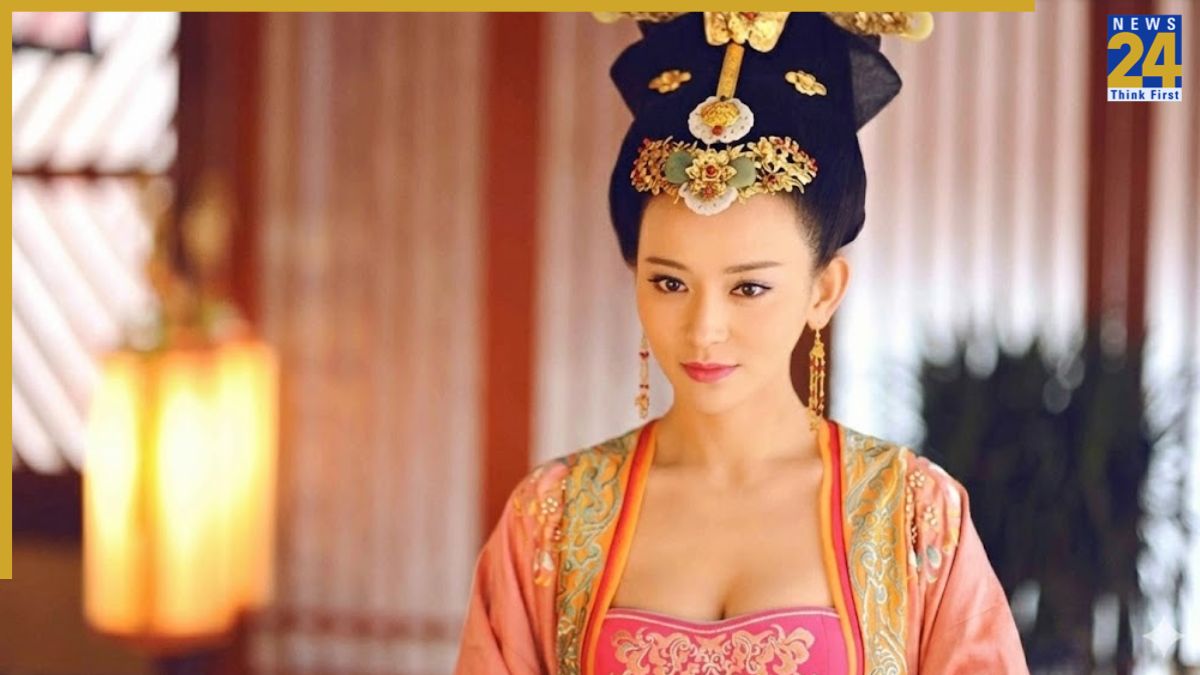


When we talk of the wealthiest individuals in the world, modern tech moguls and contemporary billionaires often come to our mind. Names like Elon Musk, currently considered the richest person alive, Jeff Bezos, and Asia’s richest man Mukesh Ambani dominate the conversation. But do you know, even their combined wealth falls short of a historical figure who lived over 1,300 years ago. The lady’s fortune was so immense that, even by today’s standards, no current billionaire can rival it. Historians argue that her influence, power, assets and control make her the richest woman to have ever lived in the world.
World’s richest woman ever
The woman we are talking about is, Empress Wu Zetian (624–705 AD) of China, who is widely considered the richest woman in history, with a peak net worth estimated at $16 trillion in today’s value. Wu was the first and only female emperor of China. Earlier, South China Morning Post, reported that her wealth would equal an astonishing $14 trillion in today’s terms. Moreover, her fortune is estimated to be greater than the combined net worth of the world’s 10 richest individuals today including Musk, Bezos and Arnault.
Wu Zetian’s Empire and Wealth
She amassed massive fortune, derived from absolute control over the Tang and Zhou dynasties. These dynasties accounted for approximately 22.7% to 23% of the global GDP at that time. Wu maintained strict control over all imperial resources, including vast land holdings and state-owned industries, adding to her personal wealth. During her reign, Silk Road trade boomed with export of tea and silk, benefitting her empire.
To maintain the imperial monopoly, Wu implemented strict taxation policies and reduced the tax burden on peasants to increase agricultural productivity, which in turn increased state revenue. Not only this, her military campaigns into Central Asia and Korea also expanded the empire’s borders and access to foreign resources.
During her 45 year tenure, China expanded, its culture and economy improved, and corruption in the court was significantly reduced. She was removed from power during the Shenlong Coup (zh) and died a few months later.