

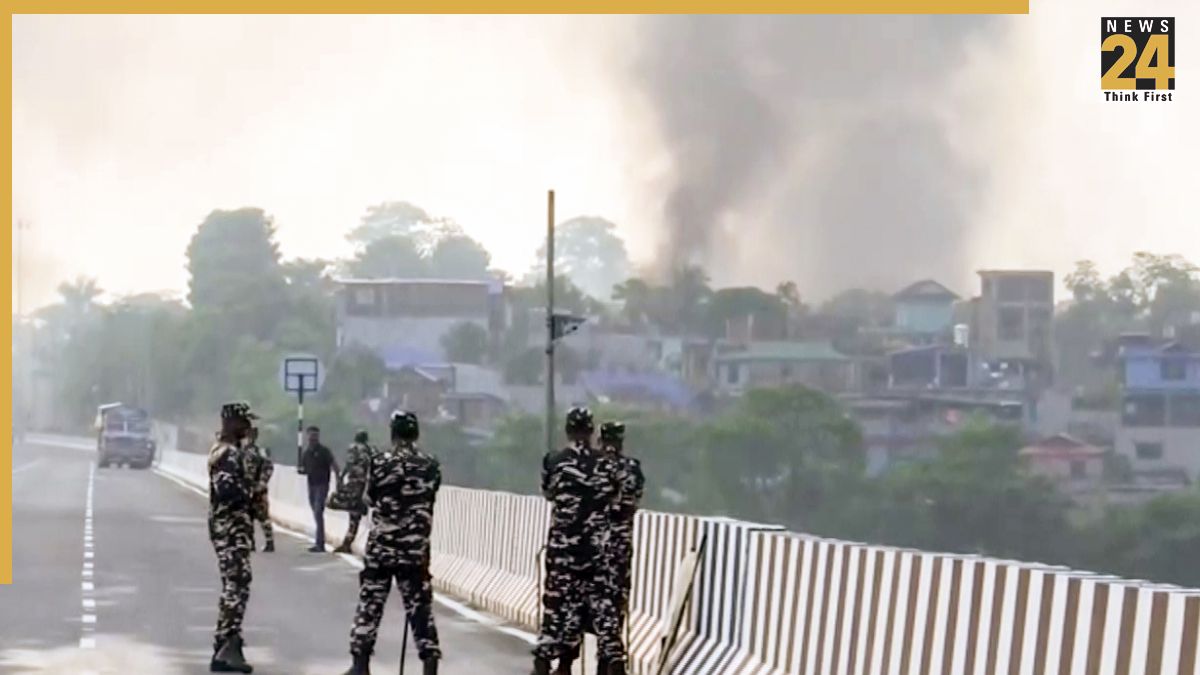


Nepal’s unrest and violent protests are disturbing its neighbouring country, India, as well. The turbulence of the violence is spilling over into India, raising the question—will the country bear the brunt of the insurgency Nepal is facing? Will the turmoil that has toppled Nepal’s government and disrupted daily life, pose a threat to India’s economy through trade disruptions and soaring border security costs? Will it weaken regional investor confidence? Here’s what we could expect if the unrest continues in Nepal.
Economic Ripples Across the Border
According to the Indian Embassy in Kathmandu, India accounted for about 63 per cent of Nepal’s total trade volume in 2024–25. Nearly 79 per cent of Nepal. Bilateral trade between India and Nepal reached $8.54 billion in 2024–25, with India exporting goods worth around $7.33 billion and Nepal exporting approximately $1.2 billion to India.
India, Nepal’s largest trading partner with $8 billion in bilateral trade in 2024, is already feeling the economic strain. Here’s how the unrest may impact India:
Trade Disruptions and Supply Chain Woes
Nepal depends heavily on India for its imports. More than 60% of what it buys, like petroleum, machinery, and farm goods, comes through Indian ports such as Kolkata and Haldia. Because of protests and border closures, trucks have stopped moving. This has left perishable goods stuck on the road, raising costs for Indian exporters.
Traders of vegetables and dairy in Bihar and Uttar Pradesh say they are suffering losses because their goods are spoiling at the checkpoints. Nepal also sells hydropower to India, which is important for northern India’s renewable energy supply. But these exports are now disrupted, which could make energy more expensive.
Escalating Border Security Costs
The mass jailbreak, where more than 1,500 prisoners have escaped as the protesters stormed the jail in various parts of the country, has heightened security concerns in India too. There are unverified reports that 5 of the jailbreakers have already entered India through various borders. India shares 729-kilometre border with Nepal.
India has sent extra Sashastra Seema Bal (SSB) forces to districts like East Champaran and Sitamarhi. Patrolling and surveillance have been stepped up to prevent cross-border crimes. These efforts, including plans for stronger border fencing, are costing millions of rupees and putting further pressure on state budgets already stretched by post-pandemic recovery.
Digital Economy Fallout
Nepal’s ban on social media has badly affected its digital economy. About 30% of small and medium businesses, which use platforms like Instagram and YouTube for marketing, are struggling. Because of this, Nepali demand for Indian goods and services has fallen, affecting Indian tech and e-commerce companies working in Nepal. Nepalese are also using VPNs to bypass the ban, which is putting extra pressure on internet bandwidth. This could increase costs and impact Indian companies that operate digitally across the border.