

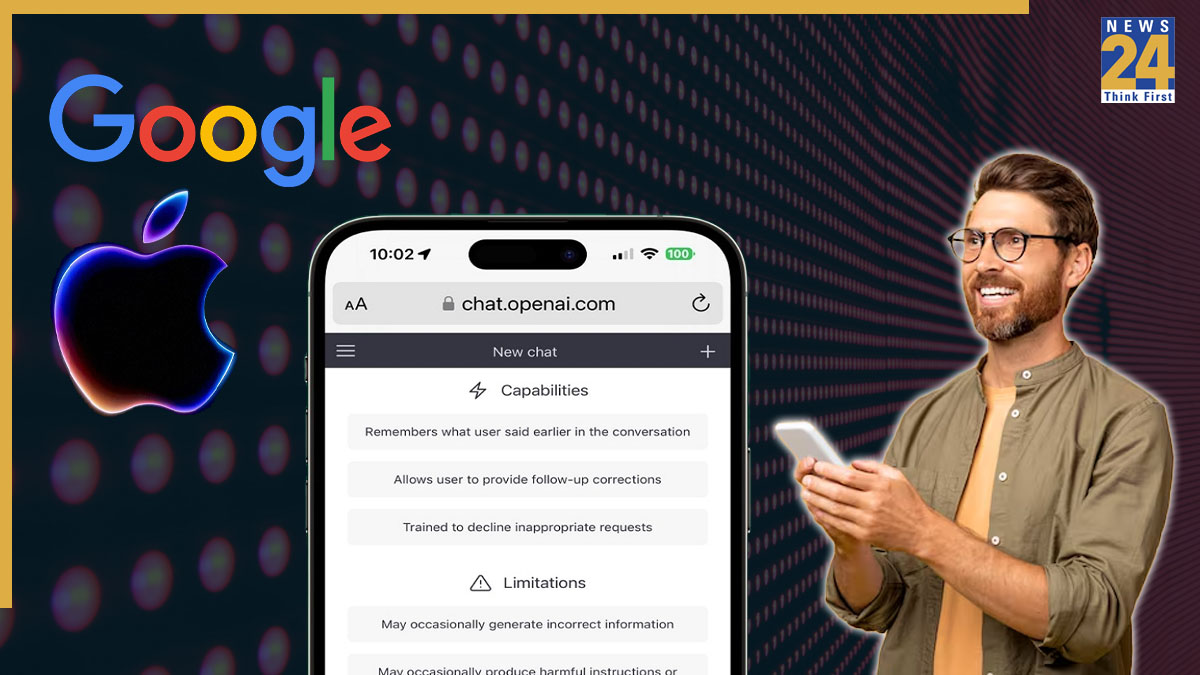


OpenAI no longer wants ChatGPT to remain just an app or chatbot; the company is working to turn it into a full-fledged operating system. To advance this ambitious vision, OpenAI has appointed a new senior executive. On Monday, the company confirmed Glen Coates as Head of App Platform, who said his goal is to help transform ChatGPT into an OS.
ChatGPT is more than just a chatbot
Until now, ChatGPT has been seen as an app or platform where users ask questions, and AI responds. Over time, it has evolved beyond simple conversation. It now has AI agents that can connect to different apps and services. Recently, OpenAI launched the ChatGPT Apps feature, allowing third-party apps to operate directly within ChatGPT. Users no longer need to open separate apps, everything can be done within the ChatGPT interface.
How close is ChatGPT to becoming an OS?
An operating system acts as a bridge between hardware, users, and apps. From this perspective, ChatGPT already performs several OS-like functions:
- It acts as a user interface
- It supports apps and tools
- It has built-in search, data access, and context understanding
The remaining piece is deep integration with hardware, which is where Glen Coates’ role becomes crucial.
Why Glen Coates’ role matters
Coates told TechCrunch that in the coming years, OpenAI wants to make ChatGPT a platform where:
- No separate app is needed for writing
- No separate app is needed for coding
- No separate app is needed for connecting with products and services
The timing is right for a big move
OpenAI’s plan comes at a time when the company has a robust data center infrastructure and partnerships with major apps, including Adobe, Canva, and Zillow. The company is also working with Jony Ive on an AI device expected to launch around 2027. If OpenAI integrates all this into ChatGPT’s conversational interface, it could become the world’s first AI-powered operating system.
Currently, OpenAI has not provided a clear timeline for when ChatGPT will fully function as an OS. However, the company is aiming to redefine computing through AI, potentially allowing users in the future to work directly with an AI OS instead of multiple apps.