


Xiaomi, the tech giant that is renowned for its innovative tech, has now come under scrutiny after the doors of its Su 7 electric sedan failed to open in Chengdu, China. The gates failed to open after the crash, and the tragic incident has raised serious concerns. Most experts have been questioning the prominence of electronics in new cars and the need for manual overrides.
Xiaomi Su 7 Car Crash
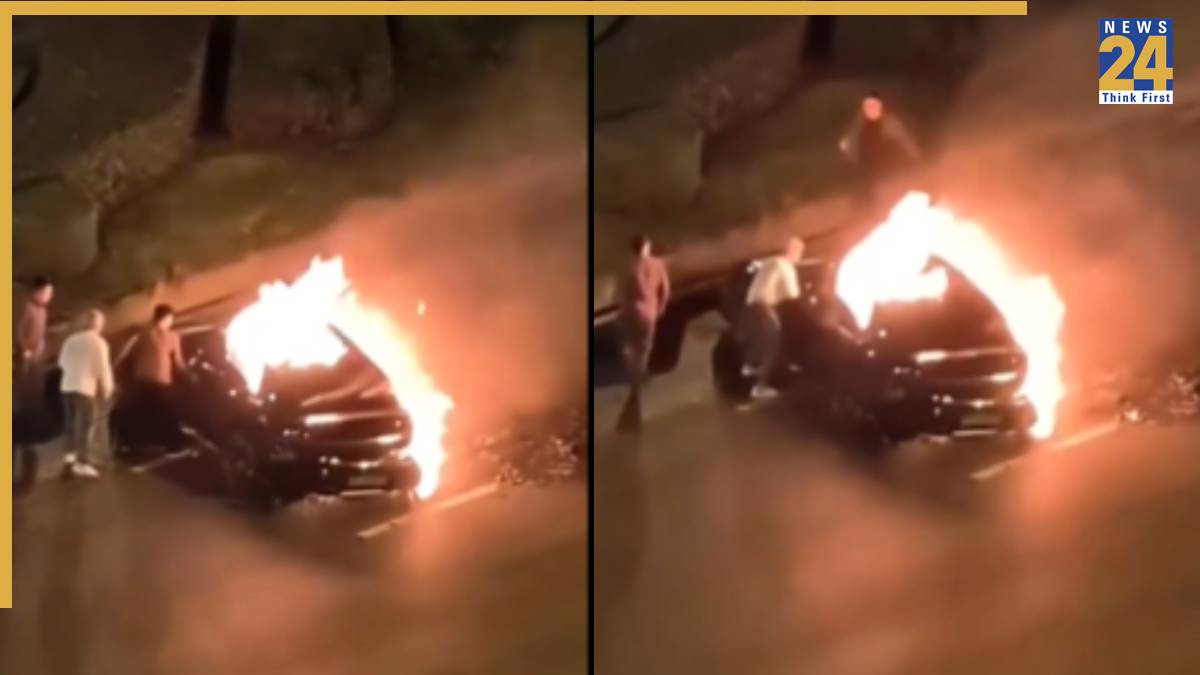
As per a Bloomberg report, the Su 7 caught fire after a crash, and bystanders were unable to pry open the doors due to the car’s electronic locking mechanism. The driver of the vehicle was trapped inside and could not survive as the vehicle burst into flames soon after the crash.
Smart car Xiaomi SU7 driver DIES in China: after the accident, the car’s doors were BLOCKED — Bloomberg
— RT (@RT_com) October 13, 2025
When it caught fire the driver could not be saved due to the electronics pic.twitter.com/KxJpv00Ozf
Chengdu police stated that the crash may have been caused due to drunk driving, but experts are concerned that the car’s complex technology might have prevented the doors from being pried open in such a situation. The Su 7 has flush door handles that rely on electric servos, and the failure in the electronic system might have caused a malfunction, leading to the doors being stuck.
Safety Concerns
The tragic incident has raised questions regarding safety standards that are followed by electric vehicles. Manufacturers such as Tesla, BYD, and Xiaomi are all under scrutiny for manufacturing cars that have complex electronics. As per reports, experts have stated that innovation should not come at the cost of safety in EVs. Such complex electronics should always have manual overrides in case the electronic systems fail.
earlier crash
Xiaomi Su 7
The Xiaomi Su 7, which was launched in early 2024, is a high-tech EV, and this has not been the first time that the onboard electronics and sensors on the vehicle had failed. Before this, the car had been in an accident when its brake systems had failed during a media drive, and the test driver had rammed into the track wall. It was while the test driver was taking a corner that the car failed to brake in time and understeered into a wall. While the braking systems had failed, the safety measures were operational, and as soon as the car had crashed, the airbags were deployed.