
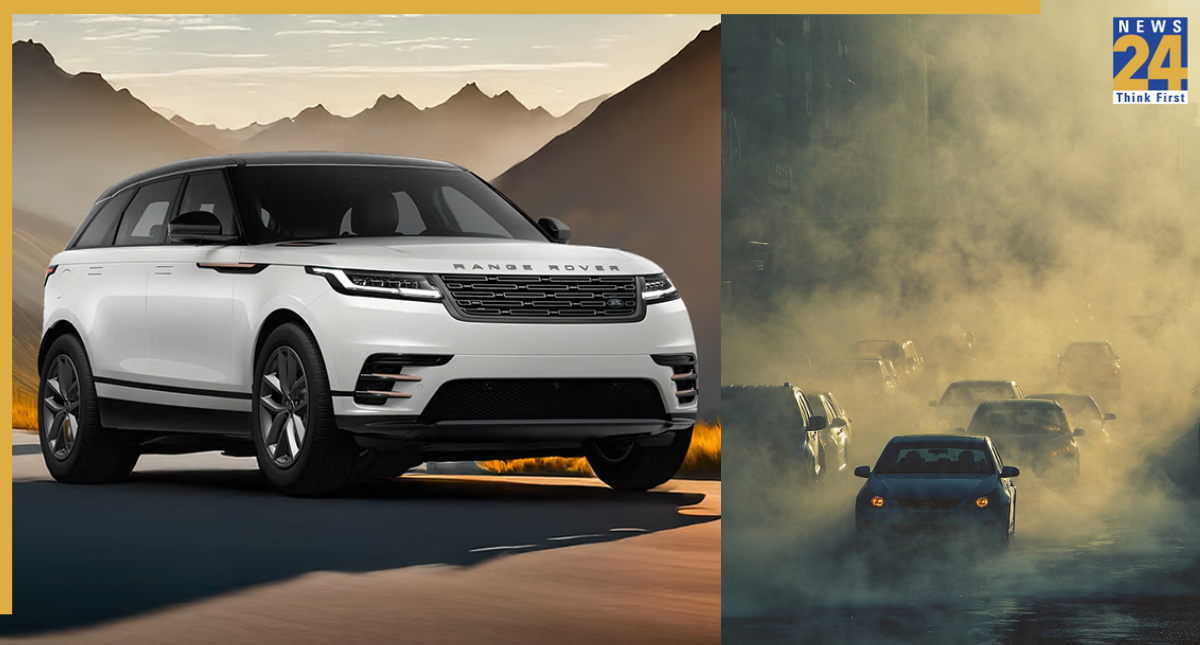


The Supreme Court of India has suggested a gradual ban on petrol- and diesel-powered luxury cars, as part of efforts to combat rising air pollution levels, particularly in Delhi and the National Capital Region. The move highlights the growing emphasis on electric mobility in India and the need to implement existing electric vehicle policies more effectively.
Proposal Focused on Luxury Vehicles
A bench of Justices Surya Kant and Joymalya Bagchi noted during a recent hearing that banning only luxury petrol and diesel vehicles could be the first step toward promoting electric vehicles (EVs). The goal is to encourage a shift among affluent buyers who continue to prefer conventional engines despite electric options offering similar luxury and performance.
Justice Surya Kant emphasized that such a ban would not affect the common man, as it targets only the highest-end petrol and diesel models. The step-by-step approach is intended to gradually increase acceptance of EVs across all segments and budgets.
Who Will Be Affected
The proposed ban will primarily affect wealthy individuals and companies that purchase high-end petrol and diesel models. While luxury brands like BMW, Mercedes-Benz, and others already offer electric models, many buyers still choose traditional engines. If the ban is implemented, these buyers will have to opt exclusively for electric alternatives.
High-end automakers with extensive combustion-engine portfolios will also feel the impact, as they may need to accelerate the introduction and promotion of luxury EVs to retain market share.
Timeline and Policy Review
At present, the Supreme Court has not set a deadline for this ban. The matter is still under consideration, and the court has asked concerned ministries to revisit existing EV policies, such as the National Electric Mobility Mission Plan, to ensure stricter enforcement on the ground. A detailed report from the government addressing these questions is expected by December.
Rising Demand for Electric Luxury Cars
In India, EV adoption in the luxury segment is already higher compared to mass-market cars, with around 12 percent of luxury vehicles being electric, while only 2-3 percent of mass-market cars fall into this category. This has led to significant growth for luxury EV models, with BMW and Mercedes-Benz reporting strong sales during the first half of this financial year.
As more luxury electric vehicles arrive in India, high-end buyers are increasingly considering EVs as a viable alternative, especially with rising concerns over pollution and government incentives promoting electric mobility.
The Supreme Court’s suggestion signals a potential shift in India’s automobile landscape, encouraging cleaner and more sustainable transport while targeting segments with the highest emissions.