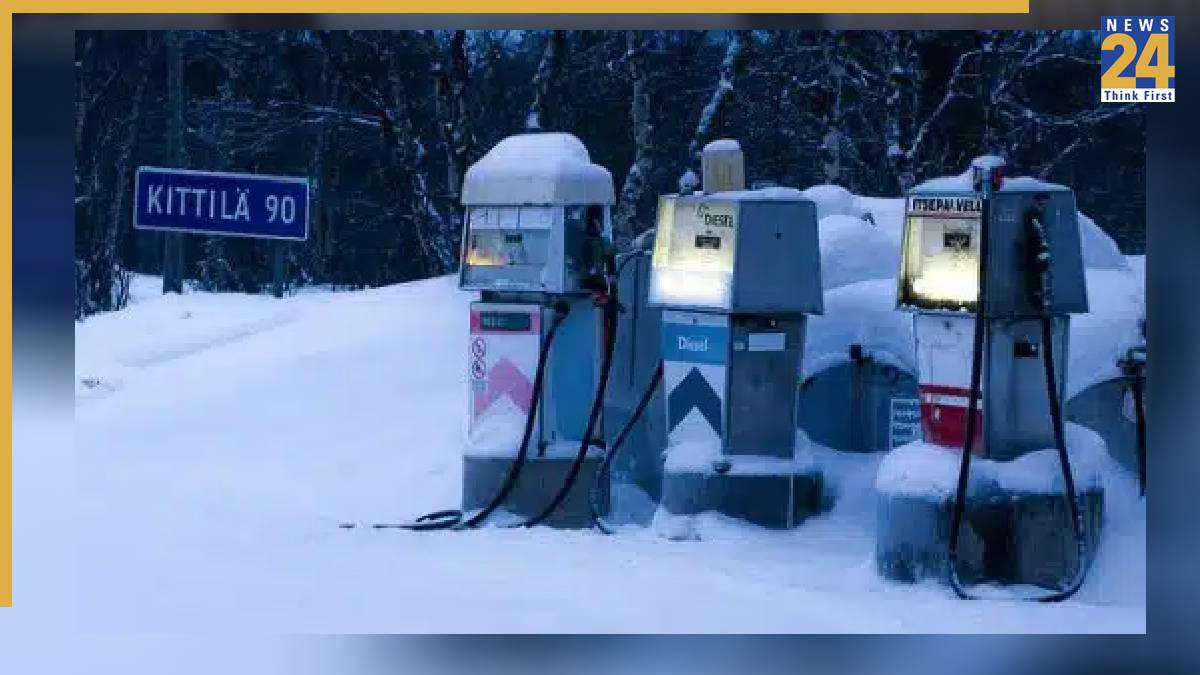


The fast-approaching winters do put strain on some of the mechanical components beneath the bonnet. It also makes it necessary for the driver to be vigilant about some of the changes that the vehicle goes through during the winters. It is often believed that winters affect the fuel efficiency of the vehicle, but why is it so? Here is a detailed enquiry into why fuel efficiency drops in winters. Does fuel freeze during the winters?
How Cold Temperature Affects Your Fuel
As per government fuel tests, fuel efficiency is 10% lower at -5 degrees C than it is at 20 degrees C, and if drivers seek to drive below 4 miles, fuel economy has decreased by as much as 20% when temperatures drop below 0 degrees C. What’s the reason?
The freezing point of petrol is a chilly -60 degrees C; it’s virtually impossible for the petrol tank to freeze up during the harshest British winter. Diesel, on the other hand, has a much higher freeze point and is prone to getting cold in cold weather conditions. To combat this, fuel companies release a summer and winter diesel blend, which can resist temperatures of -5 degrees Celsius and -15 degrees Celsius respectively.
Since both the fuels are not massively impacted by cold weather, it’s clear that the fuel economy dilemma does not pertain to the fuel, but rather it has to do with the effect that cold has on the car.
Here are a few ways that cold weather impacts your vehicle:
- With the cold, the engine reaches its optimum working temperature much later.
- Engine oil often thickens in cold conditions, leading to friction between the moving parts of the engine.
- Necessary to warm up the engine before heading out.
- Tire pressures decrease slightly in very cold temperatures.
Here’s how you can improve your fuel efficiency in the cold:
- Always try to park your car in a garage if you have the availability of a garage; this will keep the start-up temperature steady and mild, reducing the strain on the battery.
- On cold mornings, do not leave the car idling for too long while it warms up. Instead, use an ice scraper and a de-icer to quickly remove the frost from the windscreen.
- Keep a check on your tire pressures.
- Use prescribed engine oil only.
- Refrain from using demisters and seat warmers for longer than necessary; this will decrease the load on the battery and help your fuel economy.