


A slew of recent reports have revealed that, after US, European Union now wants India to eliminate the tariffs on car imports. The changes would be a part of a long-standing deal and Prime Minister Narendra Modi’s Government seemingly wants to sweeten its current proposal and seal the deal during the talks.
India has showcased prospects of a phased reduction of the tariffs to 10% from the 100%, as reported by Reuters, who were informed by Two Industry sources as well as Government officials. The common ground has been reached after industry lobbying for India to retain at least a 30% tariff, even if it plans to reduce the levy. Beyond that, local manufacturers have asked the government not to tinker with import duties on EV’s for four more years to protect the domestic players.
India’s Commerce Industry depicted the demands and India’s stance to officials from heavy industries ministry and the auto industry representatives.
Heavily Protected Market
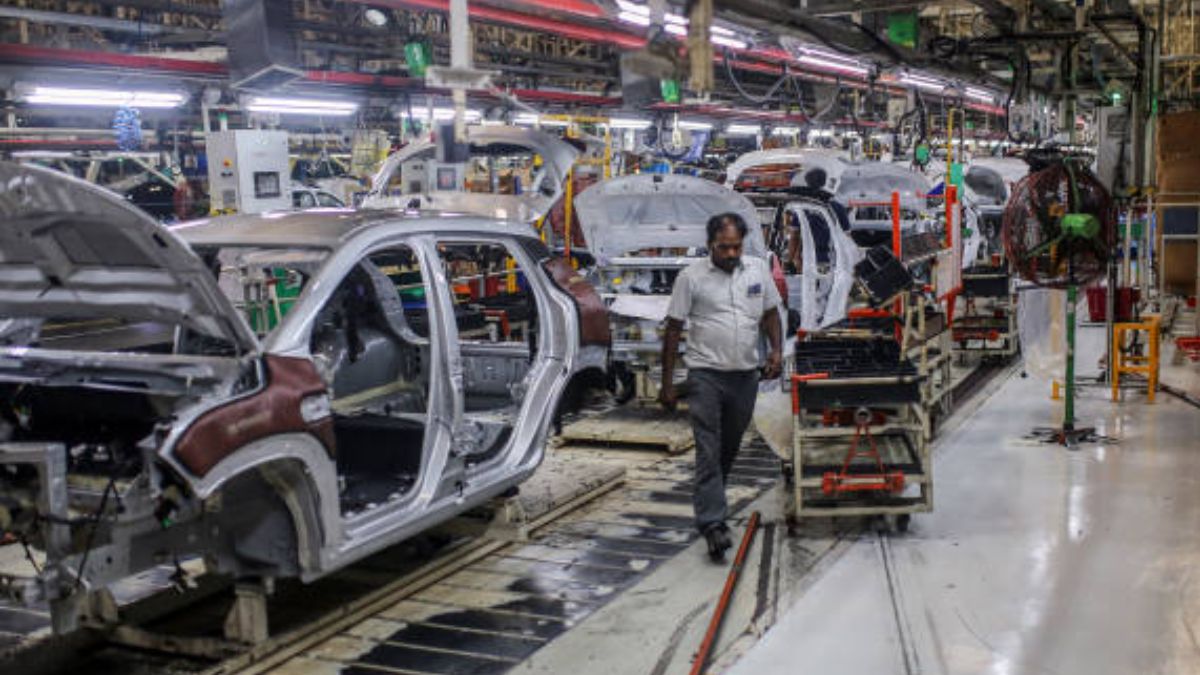
India’s car market is world-renowned for being highly protected. Domestic car manufacturers have raised concerns upon how tariff cuts could lead to cheaper imports wiping out the incentive to invest in local manufacturing. As per the report by Reuters brands like Tata Motors as well as Mahindra & Mahindra have been lobbying against lowering tariffs on EV’s. The Concern for them has been a prospective business loss in sectors where they have made profound investments over the years and committed substantial funds..
India’s Reply
Similar to its proposal to the Us, India’s auto industry has proposed an immediate reduction on tariffs for a limited number of petrol cars to 70% from more than 100%. Beyond that, India plans to carry out the cuts in a phased manner, all the way till 30%. There would be no tariff cuts on EV’s until 2029 followed by a phased reduction on limited imports to 30%.
The report by Reuters further delineated that the growing fear of a trade war and recessionary impact of the hefty tariff increases may push both the sides to divulge into more flexible negotiations. India and EU had been involved in trade talks for a long time, and it was in February, both the countries agreed to conclude the deal by the end of the year, as they look forward to softening the impact of the tariffs.